
The letter is drafted. It says rising costs, a percentage, and an effective date.
Every customer who opens it reads the same thing. You are charging more, and you would rather not say why.
They have read a lot of these lately. In the Richmond Fed's August 2025 business surveys, which cover North Carolina, almost three quarters of manufacturers reported direct tariff impacts. Of the firms affected, nearly 60 percent had already raised prices.
The question is whether yours is the one they believe.
What makes an increase feel fair
In a 1986 study in the American Economic Review, Kahneman, Knetsch and Thaler asked people about a grocer whose wholesale cost for lettuce rose 30 cents a head, and who passed the 30 cents on. Of those asked, 79 percent called it acceptable. When a hardware store raised snow shovels from $15 to $20 the morning after a snowstorm, 82 percent called it unfair.
People accept a cost passed through. They resent a price raised because you can.
The same study has a warning for later. When a factory's costs fell and it kept its price anyway, 47 percent called that unfair.
In a 2005 study in the Journal of the Academy of Marketing Science, Homburg, Hoyer and Koschate found customers who saw the motive as fair were more likely to buy again. Of ten motives tested, a cost increase was rated the fairest.
So the job of the announcement is not to soften the number. It is to make the reason visible.
Know your numbers before you write
Tariff rules changed several times this year. Here is where things stood in late October 2026.
On February 20, 2026, the Supreme Court ruled 6 to 3 that the International Emergency Economic Powers Act does not authorize tariffs. A 10 percent global tariff under Section 122 filled in until July 24. Since then, Section 301 tariffs of 10 or 12.5 percent apply to imports from 60 trading partners, and those are being challenged in court.
Section 232 steel and aluminum duties were not part of that ruling. Under the current proclamation, in effect since April 6, 2026, they run 50 percent on steel and aluminum articles and 25 percent on a list of derivative products, with lower rates for some goods, charged on the full value of the product rather than just the metal.
Rates differ by product code and country, and they will change again. Check yours with your customs broker before you put a number in writing.
Write it so it can be checked
Name the cost. Not rising costs. Which input, which duty, and roughly what share of your price it touches.
Keep the surcharge on its own line. A surcharge tied to a named duty, separate from your base price, shows you are not hiding margin in it.
Say when it comes off. If the duty drops, the surcharge drops, and the letter should say so. Remember that 47 percent.
Decide about refunds now. Importers are working through refunds of the IEEPA duties the Court struck down, and on October 8, 2026 the Court of International Trade certified a class of importers who paid them and had not sued. If you passed those duties to customers, someone will ask about their share.
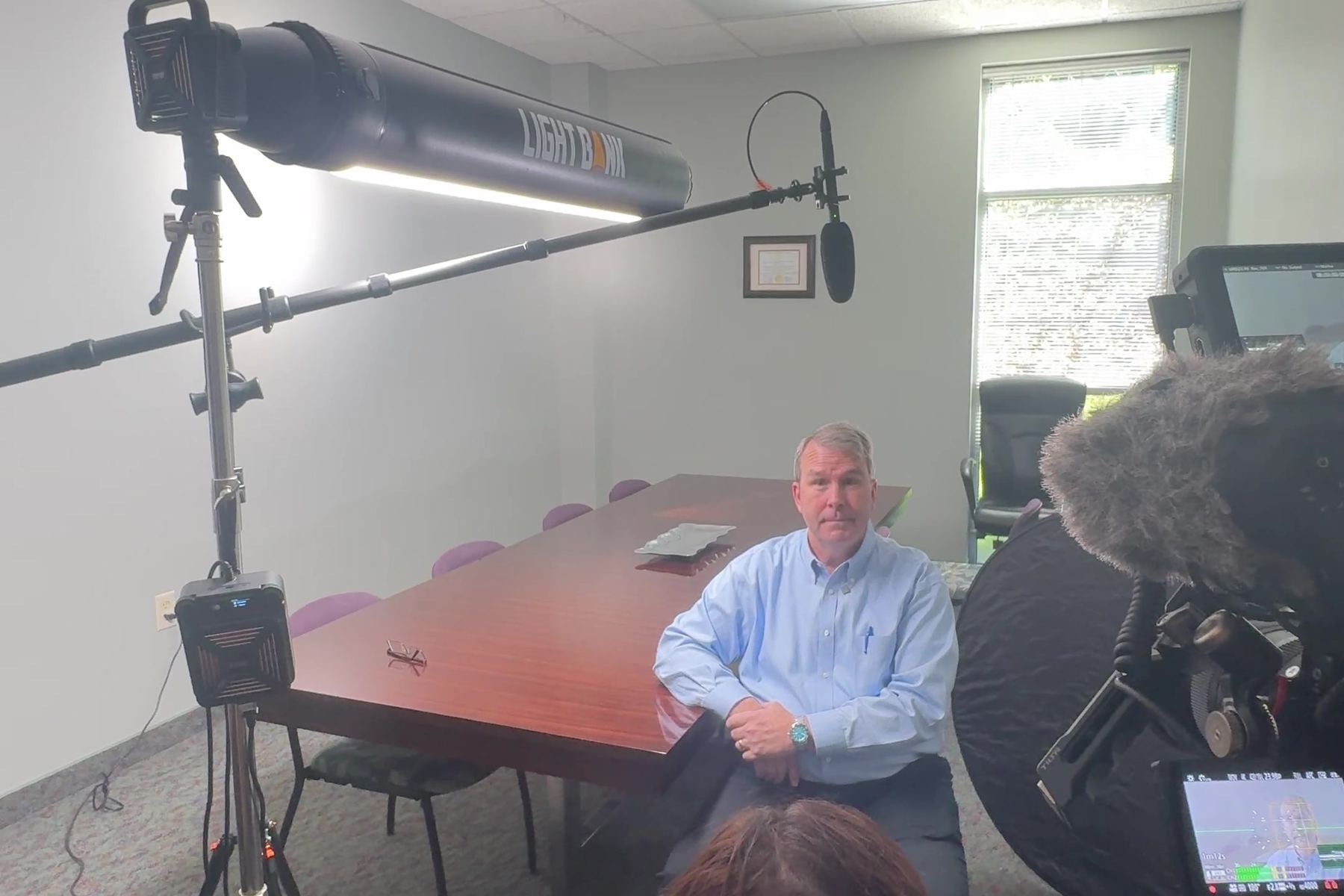
Specific reads as honest. When we filmed JD Paint Pros, we asked the person at EcoFiber who hired them over several other quotes why. Part of his answer was the quote itself.
"I was impressed with the details of the quote. I didn't have to come back and question him about it because he was very specific on the paints he was going to use."
A price letter is read the same way.
Where a short owner video helps, and where it does not
The letter carries the terms. Video does not replace it, and it should not try.
What a letter cannot carry is you. An owner with three hundred accounts cannot make three hundred calls this week. He can record two minutes once.
What to say. What changed, which costs, what you absorbed, what happens if duties fall, and who to call. No sales talk.
Say it in their words. Proclamation numbers and product codes are your language. Your customer wants to know how much, when, why, and whether it comes back down. More on why your buyer can't follow what you do.
Send it ahead. Send it with the letter, and to your reps a day earlier, so they say the same thing.
One honest limit. A video will not make an unfair increase fair. If the number is padded, putting the owner on camera makes it worse.
The short version
- Customers accept a cost passed through. In the 1986 fairness study, 79 percent did.
- Name the cost, keep the surcharge on its own line, and say when it comes off.
- Tariff rules changed several times in 2026. Check your product codes with your broker before you write a number.
- The letter carries the terms. A two minute owner video carries the reason and the face.