Alamance County has stories nobody has filmed yet.
Documentary style video for Burlington and Alamance County manufacturers, contractors, and businesses. Twenty five minutes from Greensboro, no travel charge.
- From Greensboro
- About twenty five minutes
- Travel
- No travel charge
- Filmed here
- The Flame Detector, Vitaflex, Quality Workx
- We cover
- Burlington, Graham, Mebane, all of Alamance County
Twenty five minutes up the road.
Burlington, Graham, Mebane and the rest of Alamance County are all inside our normal service area, so there is no travel line item.
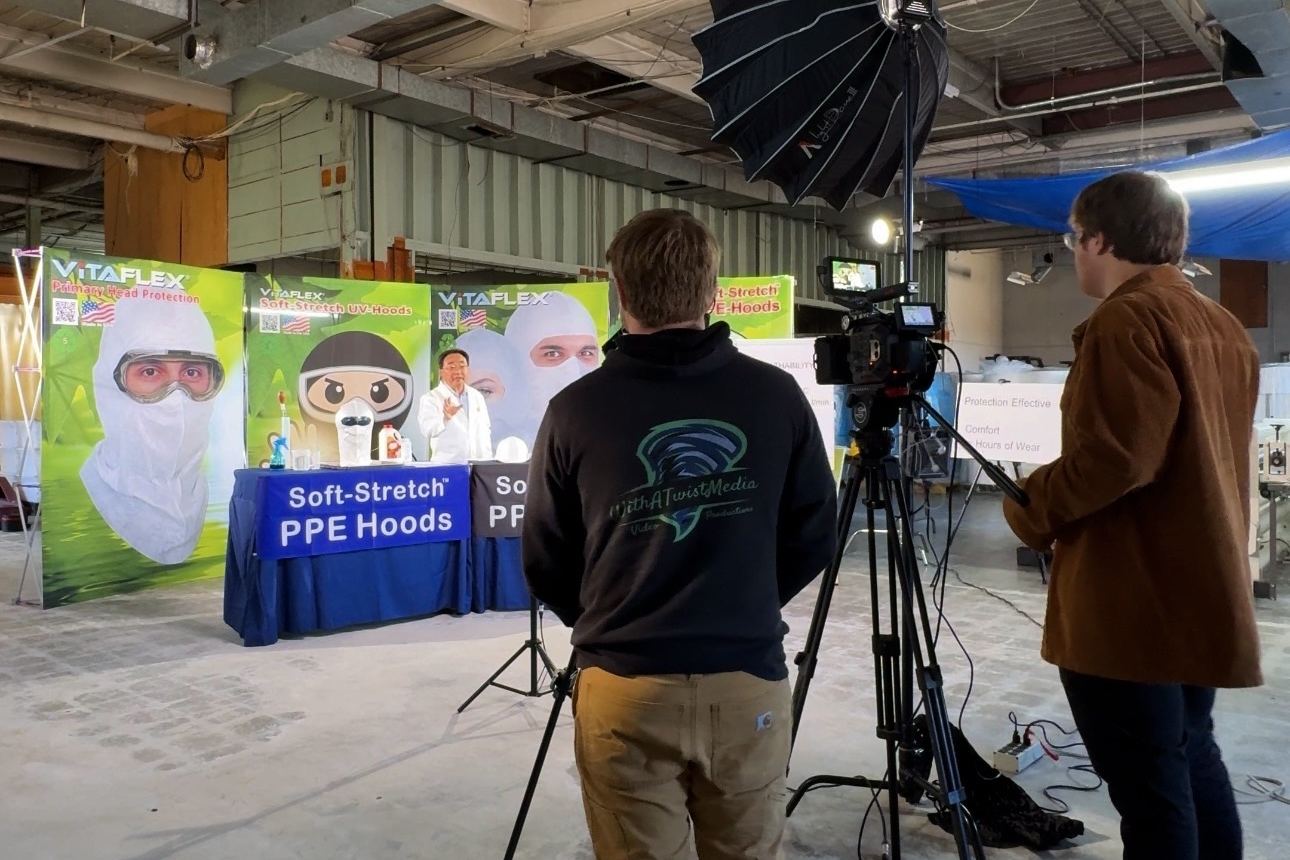
We filmed John Andres for The Flame Detector founder story at his house here, two cameras and one window. We filmed Vitaflex in a Burlington manufacturing building that has been in use for over a hundred years. And we filmed Quality Workx in a house the owner was in the middle of fixing up.
Alamance County.
Manufacturing, contracting, and a lot of family owned businesses that have been here for decades.
Sixty years in business is a fact on a website. What it means only lands when somebody says it out loud.
The crews who stayed, the customers who keep coming back, the problems solved that nobody else would have caught. Longevity is a real asset and one of the hardest things to communicate. More on telling a family business story.
Recruiting is the quiet problem.
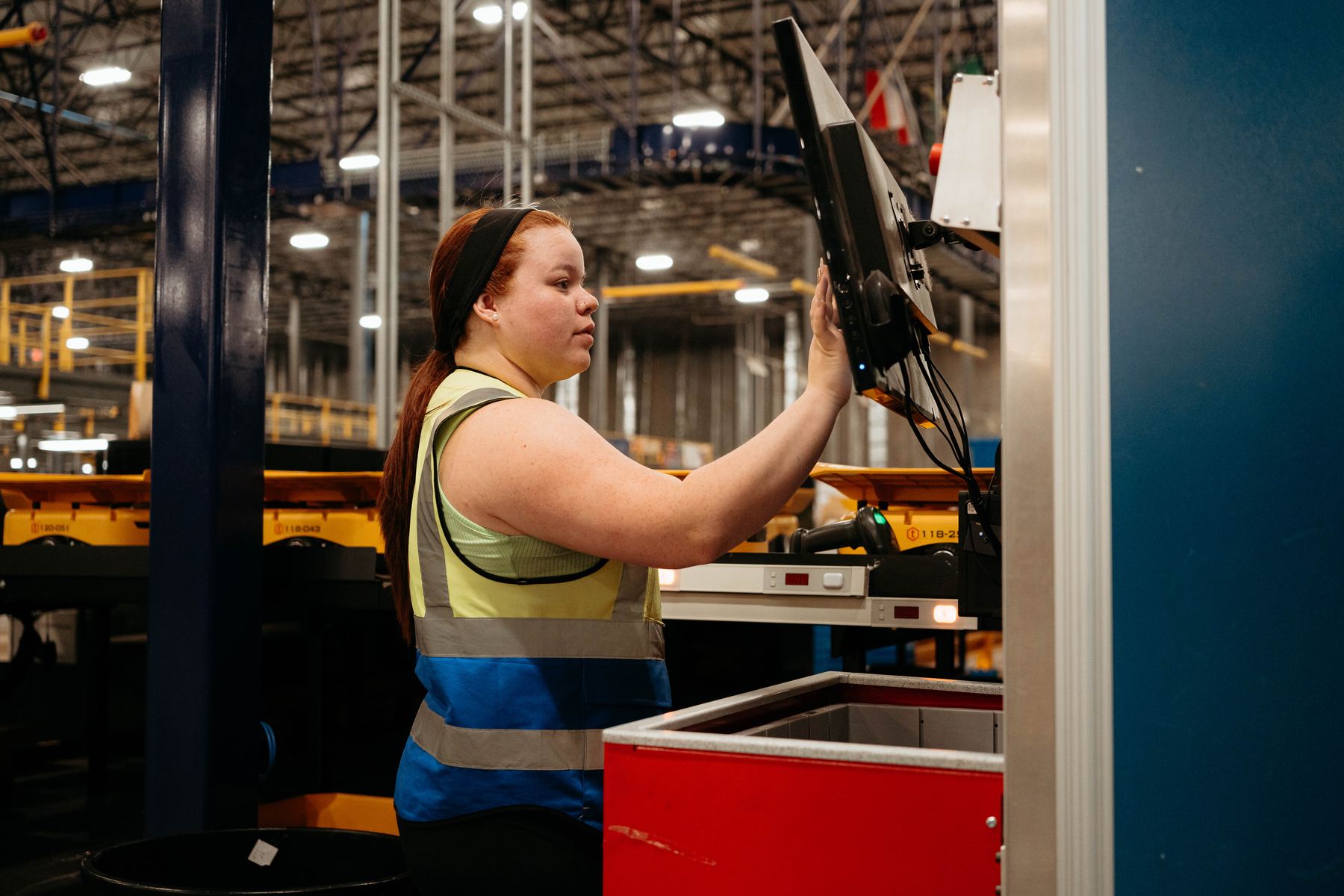
Most manufacturers we talk to in this area are not short on work. They are short on people.
We work regularly with Alamance Community College and the training programs around it. Manufacturing here is tied to workforce development in a way it is not everywhere, and recruiting video is a bigger part of the conversation than it used to be.
A job posting competes on pay. A video competes on whether somebody can picture themselves there. If you have people who have stayed fifteen years, the useful question is why, and almost nobody has ever asked them. More on what makes a recruiting video work.
What we make.
Documentary style video. No scripts, no actors, no staged shots. We sit down with the people who actually do the work and build the video around what they say.
Brand story, case study and testimonial video. Why a buyer should pick you, told by your people and your customers.
Recruiting and safety training video. Filmed on your floor or your site, so the people watching recognize where they are.
One shoot day, a year of content. A main video plus a dozen or more shorter cuts you can use for a year.
What a shoot day looks like.
We arrive mid morning and set up the interview space while the floor or the job keeps running. Interviews run about twenty minutes each, so five people takes under two hours. Then a few hours filming the work while it happens.
Out by mid afternoon. Nothing staged, nobody told where to stand, no line stopped for a shot.
Short version.
- Twenty five minutes from Greensboro, no travel charge anywhere in Alamance County.
- Filmed here: The Flame Detector founder story, Vitaflex, Quality Workx.
- Longevity is a real asset, and it only lands when somebody says it out loud.
- Recruiting video for plants that are short on people, not work.
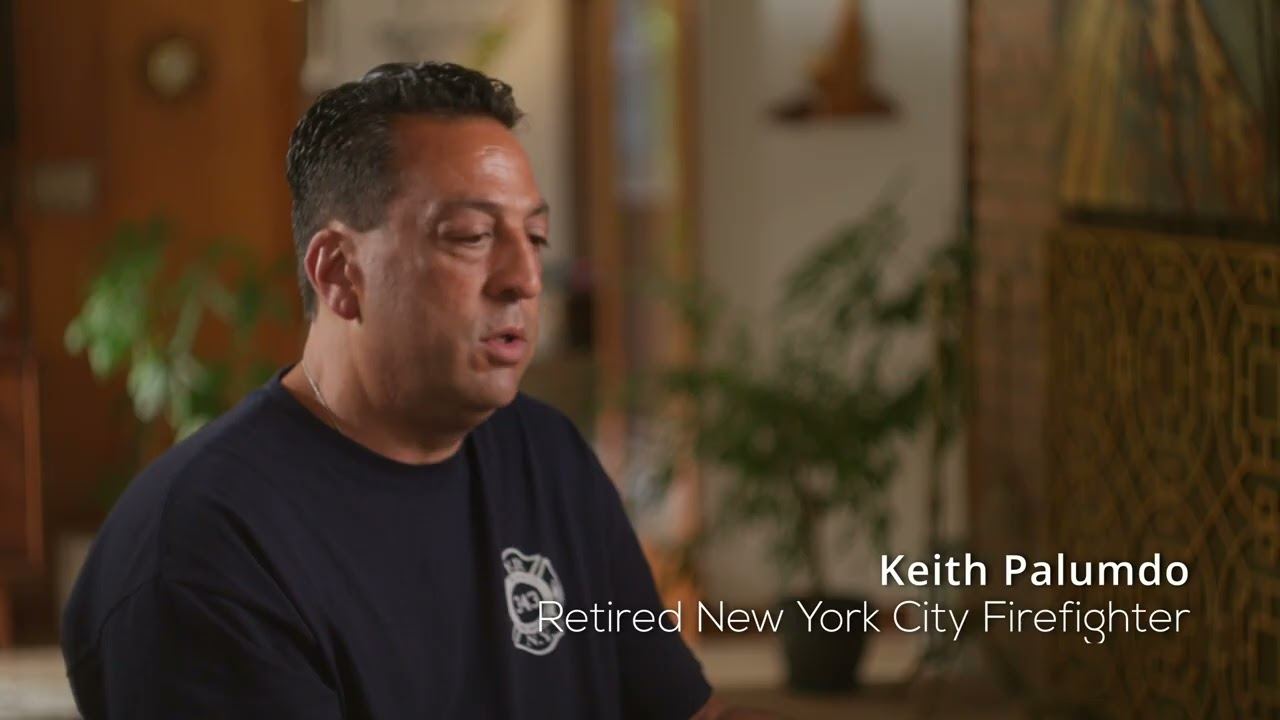
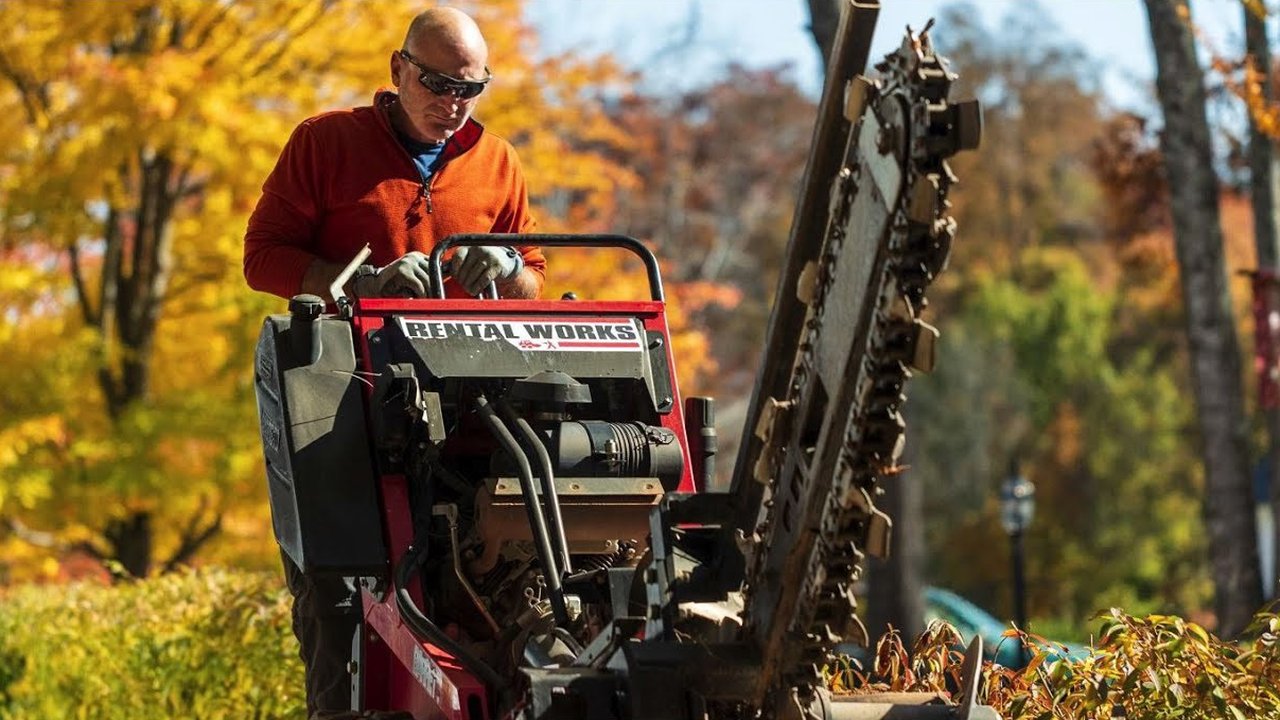
Companies like yours, in their own words.
Questions we get asked.
Do you charge for travel to Burlington?
No. Burlington, Graham, Mebane and the rest of Alamance County are inside our normal service area.
Do you make recruiting videos for Alamance County manufacturers?
Yes. Most manufacturers here are short on people, not work, and we work regularly with Alamance Community College and the training programs around it.
Can you film in an older building or an active plant?
Yes. We filmed Vitaflex in a manufacturing building in use for over a hundred years. Nothing gets staged and production keeps running.
How long does a project take?
Four to six weeks from first call to finished video for most projects. The shoot is one day.
Plain answers, before you call.
 Recruitment
Manufacturing recruitment video: what actually works
Up to 1.9 million manufacturing jobs could go unfilled by 2033. Why job posts aren't closing the gap and what a recruitment video needs to show instead.
Read →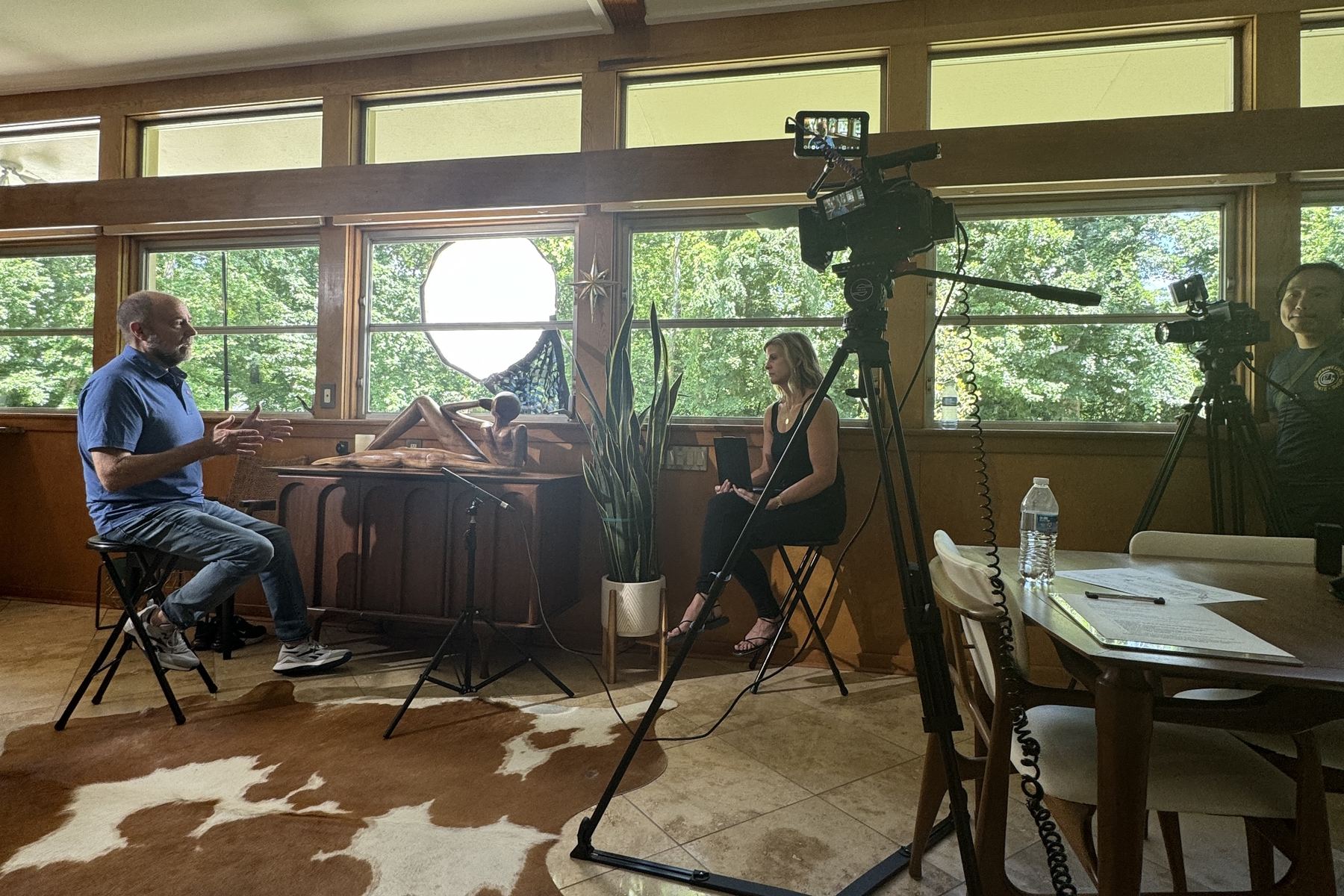 Company history
How to tell a family business story
Founded in 1952 means nothing to a buyer. What the company refused to change and what it changed anyway is the story. How to tell it without a timeline.
Read →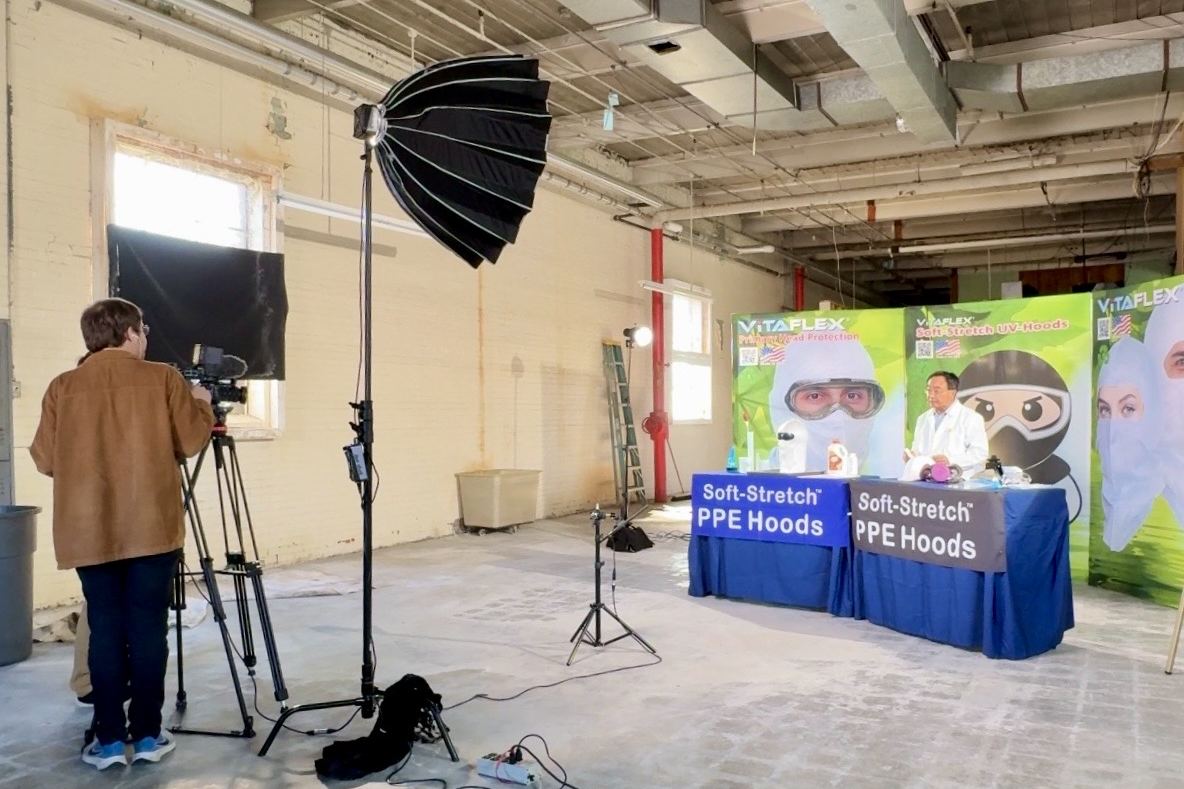 Safety training
 video for plants and job sites
What makes a safety training video people actually watch, why filming on real sites beats stock footage, and how to build modules that stay useful for years.
Read →Tell us what the video needs to do.

Dylan Smith is the owner of With A Twist Media in Greensboro, NC. He has been making documentary style video for manufacturers and construction companies across the Triad since 2019.