Manufacturing video that shows buyers what a spec sheet can't.
Documentary style video for North Carolina manufacturers. We film on the floor while production runs and show buyers what a spec sheet never will.
- Based in
- Greensboro, NC
- We film
- Plants, warehouses, labs and yards, wherever the work is
- On shoot day
- Your line keeps running
- From one day
- A main film plus 12 to 15 shorter cuts
The part buyers never see.
A buyer comparing three suppliers on paper sees capabilities, certifications and lead times. He does not see the machinist who caught a tolerance problem nobody else would have noticed, or the twenty year operator who can hear when something is about to go wrong.
That gap is what we film.
Everything that makes a manufacturer worth hiring happens on the floor, and almost none of it survives a spec sheet. If four suppliers all say quality, on time delivery and family owned, the buyer picks on price, because nobody gave him anything else to pick on.
What we make for manufacturers.
Case study video. One project, one customer, and what changed. The strongest thing a manufacturer can put in front of a buyer, because it is a result rather than a claim.
Brand story video. Why a buyer should pick you, told by the people who do the work. Usually three to five minutes, built from real interviews.
Recruiting video. For plants that are not short on work, they are short on people. A job post competes on pay. Video competes on whether somebody can picture themselves on your floor.
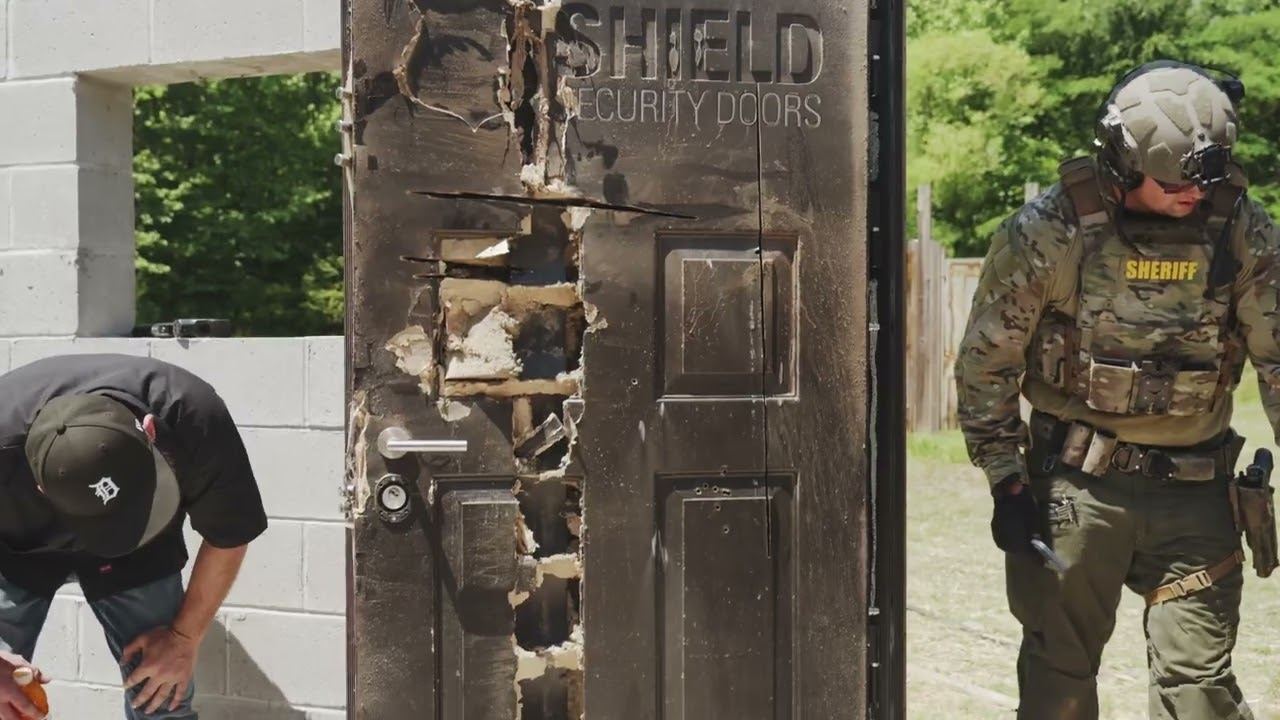
Product proof and demo video. Showing what something does when describing it has not worked. Like the SWAT team that tried to breach a Shield Security door on camera.
Training and safety modules. Filmed on your floor, not a rented warehouse, so the people watching recognize where they are.
Trade show films. Built to work with the sound off on a loud show floor.
Social cuts. Twelve to fifteen shorter pieces out of the same shoot day, sized for LinkedIn, email and sales follow up.
Nobody calls us asking for a video.
They call about one of these.
"We can't find people to hire." The plant is busy and the floor is short. The people who have stayed fifteen years know why, and almost nobody has asked them on camera.
"Buyers can't follow what we do." The person signing off has never run your equipment, so they default to the number. More on why your buyer can't follow what you do.
"Our reps lead with somebody else's line." A rep carries a dozen lines and leads with whichever one is easiest to explain. Make yours the easy one.
"We have a trade show coming up." High Point Furniture Market, MODEX, PACK EXPO, IMTS. Film four to six weeks ahead so there is time to get it right.
"Our best operator retires next year." What he knows lives in his head and his hands. Film it before it walks out the door.
"Nobody gets it until they visit." Most of your buyers will never stand on your floor. Bring the floor to them.
What happens on your floor.
Production keeps running. That is the whole approach.
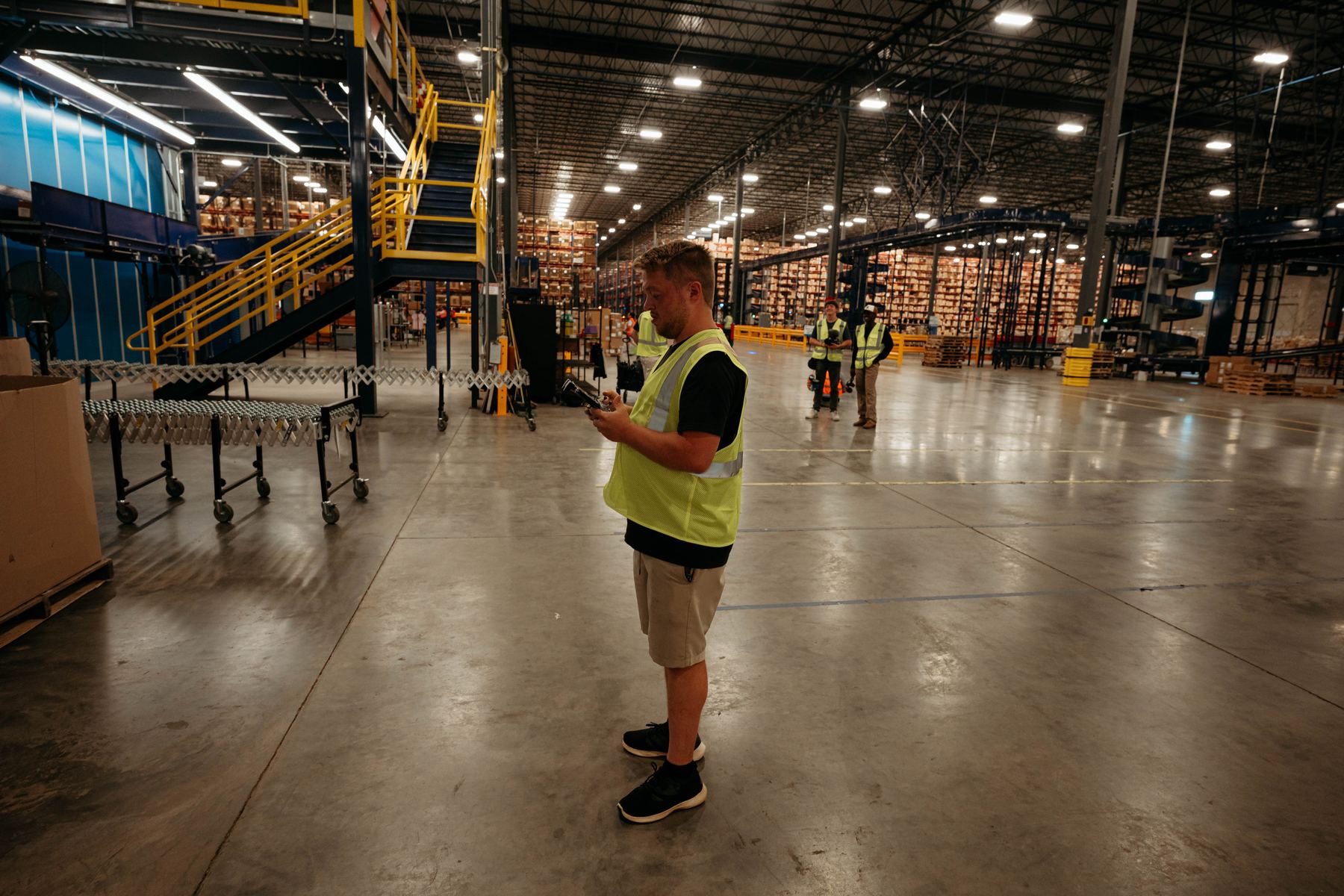
The only people who lose time are the ones being interviewed, usually three to five of them, and each one is gone for about twenty minutes. We set up before they walk in and they leave when they stand up. Everyone else keeps working while we film around them. Nothing gets staged, nobody is told where to stand, and no line stops for a shot.
We arrive mid morning and we are out by mid afternoon. Hard hats, safety glasses, hi vis and escorts into restricted areas get sorted before shoot day, not at the gate. Here is the longer version of what filming actually costs you in production time.
The jargon problem.
The people who understand your process often cannot explain it to anyone who does not, and the person deciding whether to buy from you often falls in the second group. A CFO, a procurement lead, a facilities director who has never run a line.
So we ask people to explain it the way they would to a fifth grader. Not because the buyer is simple, but because a busy person who cannot follow it stops listening.
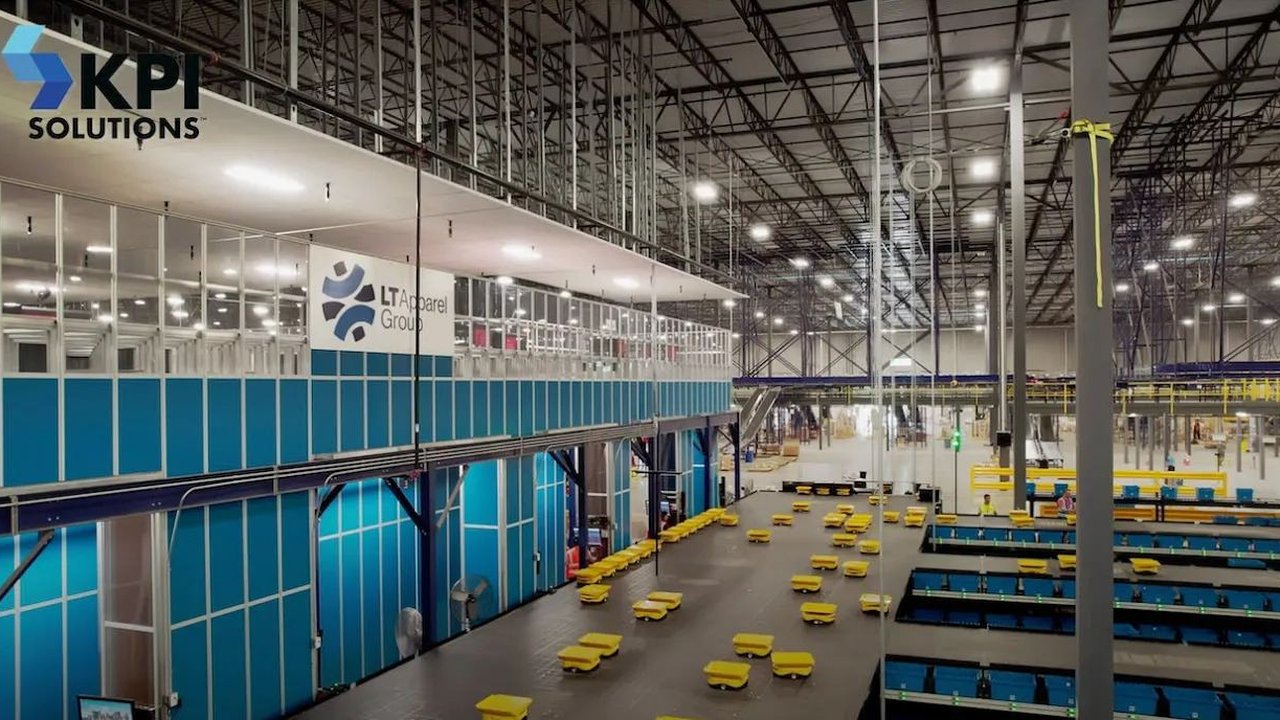
KPI Solutions took LT Apparel from 30,000 units picked a day to 150,000 at peak. The film about it has no jargon in it.
KPI played it on repeat at their national trade show booth and sent it to about 35,000 contacts. We have done three projects together now.
What one day produces.
A single shoot day usually turns into a main video plus twelve to fifteen shorter cuts. If your spec sheets, trade show booth or careers page are still running on old pictures, we shoot stills that same day too. On one project, a handful of shoot days produced over fifty finished pieces, still bringing in work years later.
Most companies use about ten percent of what they paid for and then decide video does not work for them. The footage was never the problem.
Where we work.
We are based in Greensboro, and most of our work is in the Triad: Greensboro, Winston-Salem, High Point and Burlington. Charlotte, Raleigh, Durham, the Triangle, Danville and southern Virginia are all a day trip, and we come to you.
For the right project we go further. The KPI film was shot at LT Apparel's distribution center in Dayton, New Jersey.
Short version.
- Greensboro based. We come to you anywhere in North Carolina and southern Virginia.
- Your line keeps running. The people on camera are gone about twenty minutes each.
- No scripts and no jargon. Real people explaining real work.
- One shoot day becomes a main film plus twelve to fifteen shorter cuts.
- Four to six weeks from first call to finished film for most projects.
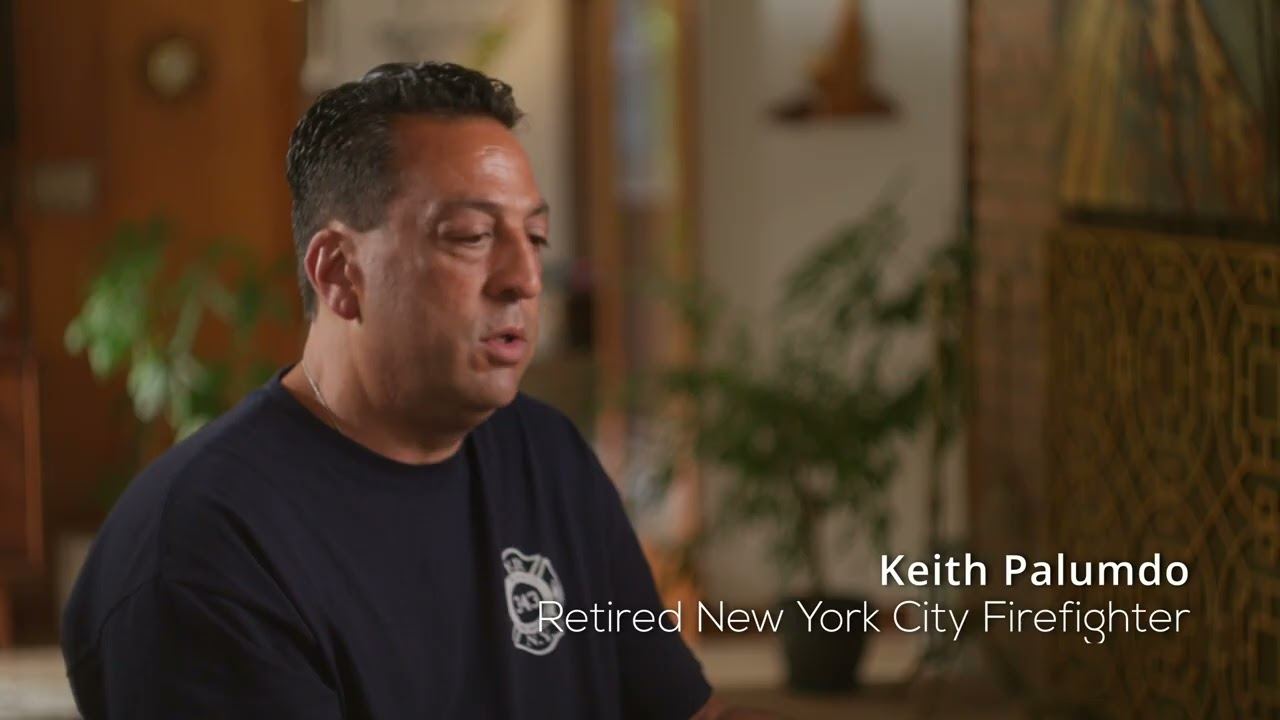
- The proof: KPI Solutions and LT Apparel, Shield Security Doors, The Flame Detector.
Companies like yours, in their own words.
Questions we get asked.
Will filming shut down our line?
No. The only people who lose time are the ones being interviewed, and each one is gone for about twenty minutes. Everything else is filming work that is already happening. Nothing gets staged and no line stops for a shot.
How long does a manufacturing video take?
Four to six weeks from first call to finished video for most projects. Pre production takes one to two weeks, the shoot is one day, the first cut takes two to three weeks, and revisions take one to two. If a trade show is driving the date, count back at least six weeks.
Do our people need a script?
No. We interview them the way you would talk with a friend over lunch, and the answers come out in their own words. Rehearsed answers sound rehearsed, and buyers can hear it.
Who should be on camera?
Usually three to five people: an owner or plant manager, a supervisor, and an operator or machinist or two. The person buyers find most credible is often not the owner.
What does a manufacturing video cost?
It depends on what the video has to do, how many locations it covers, and how much you plan to reuse it, so we do not publish a rate. On a short first call we will tell you what it takes.
Do you work outside the Triad?
Yes. Charlotte, Raleigh, Durham and Danville are a day trip from Greensboro, and we travel further for the right project. The KPI film was shot in Dayton, New Jersey, and we have filmed in Connecticut, Cleveland and Atlanta.
Can you film where there are safety rules or restricted areas?
Yes. Hard hats, safety glasses, hi vis and escorts into restricted areas are sorted before shoot day. Site rules apply to us the same as everyone else.
Plain answers, before you call.
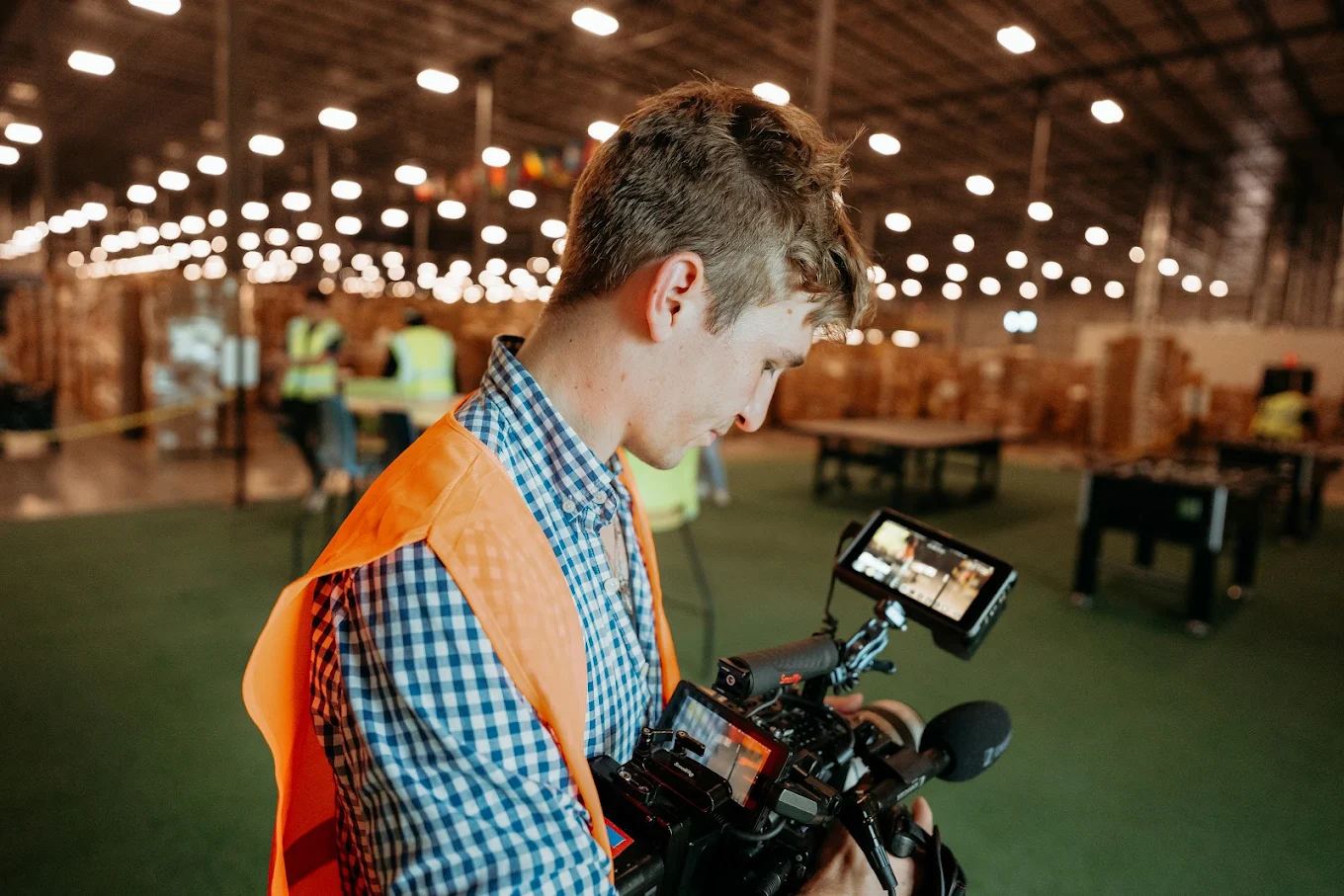 Shoot day
Manufacturing video production: what to expect on shoot day
What actually happens when we film in your plant: discovery, pre production, interviews, floor footage, and how we stay out of the way of production.
Read →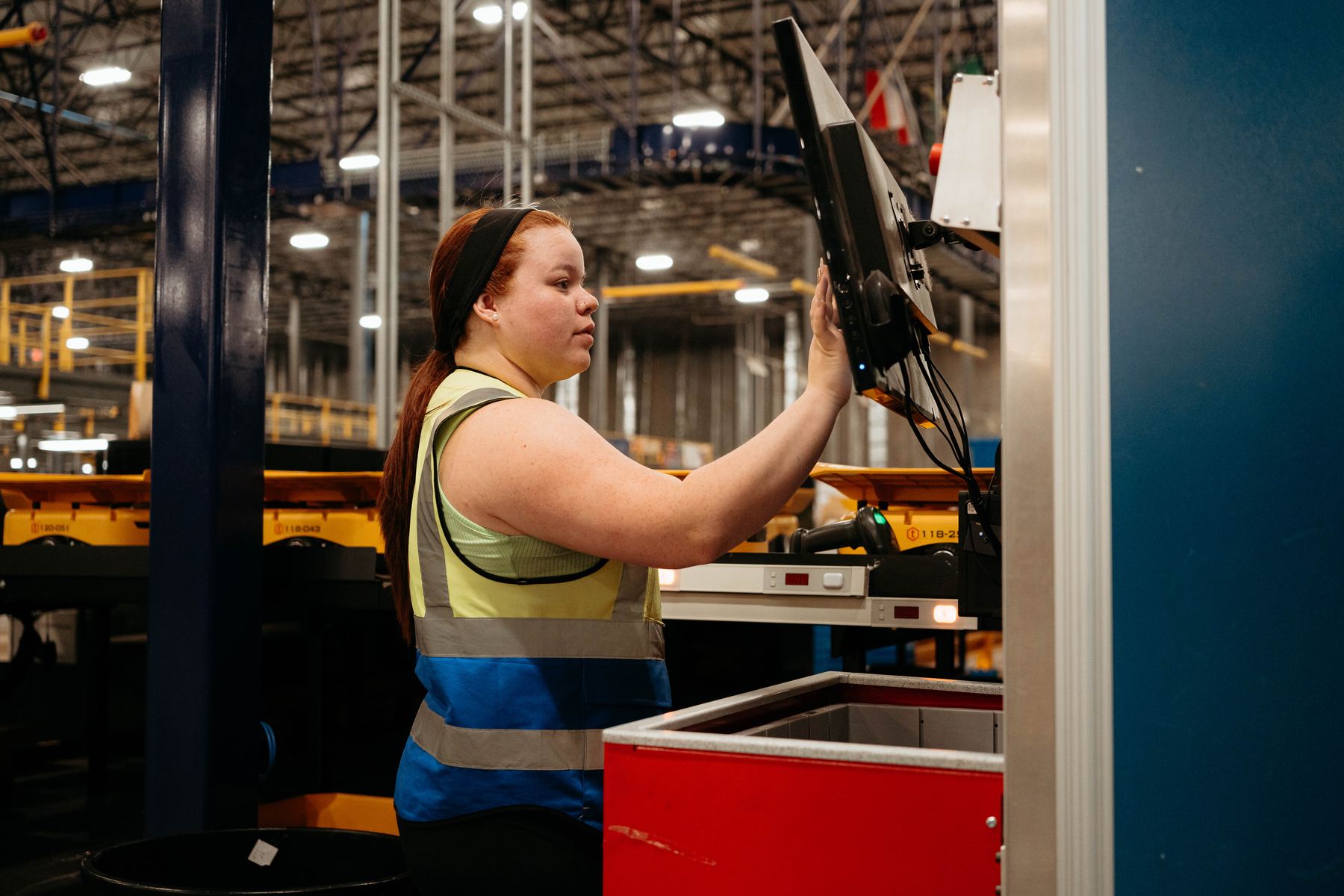 Recruitment
Manufacturing recruitment video: what actually works
Up to 1.9 million manufacturing jobs could go unfilled by 2033. Why job posts aren't closing the gap and what a recruitment video needs to show instead.
Read →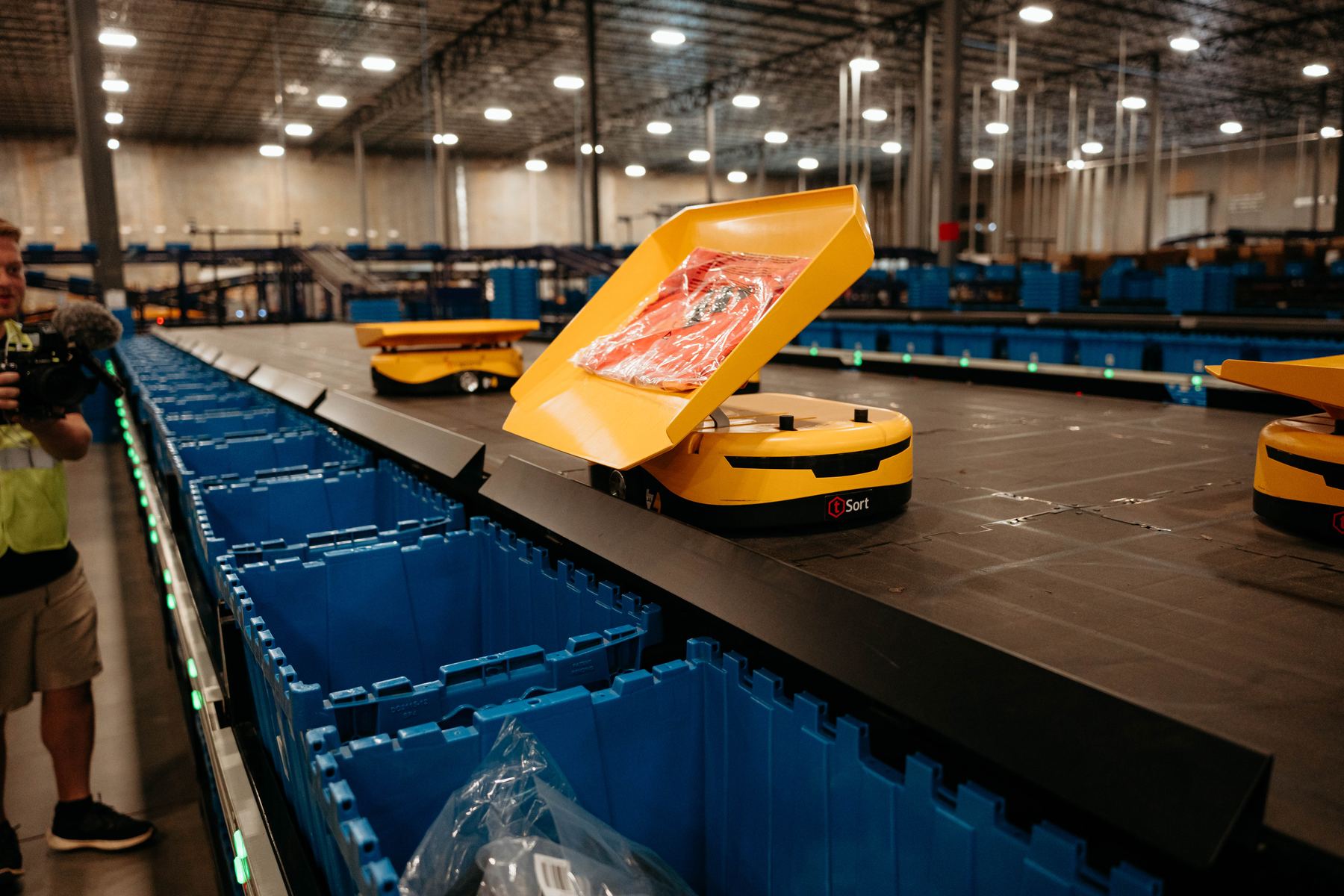 Product video
What makes a good industrial product demo video
Spec sheets tell buyers what a product does. Video shows them. What separates a demo that sells industrial and technical products from one nobody finishes.
Read →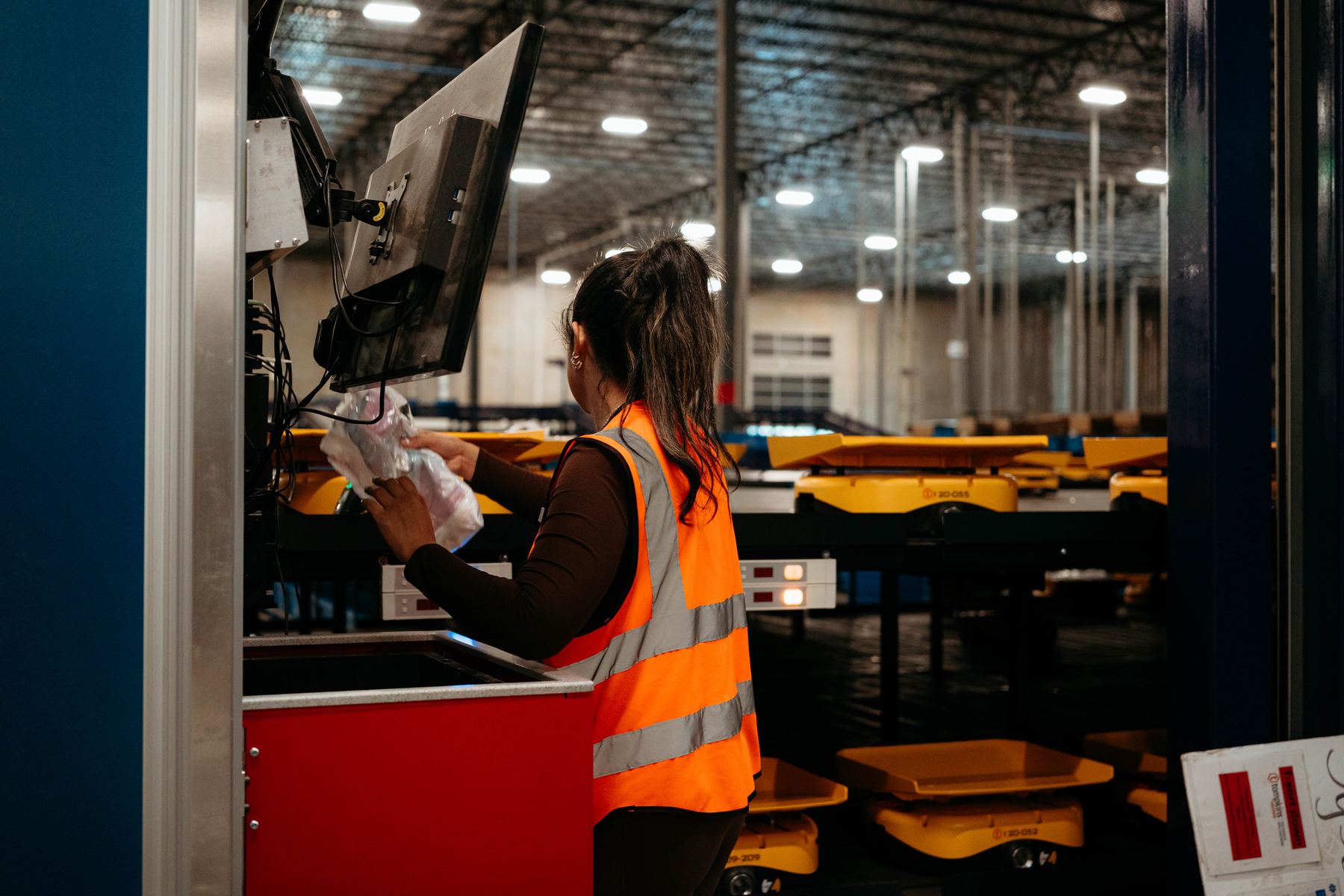 Company history
Capturing what only one person knows
A written procedure captures the steps. It cannot capture the thing your best operator hears before the machine fails. How to film that before he retires.
Read →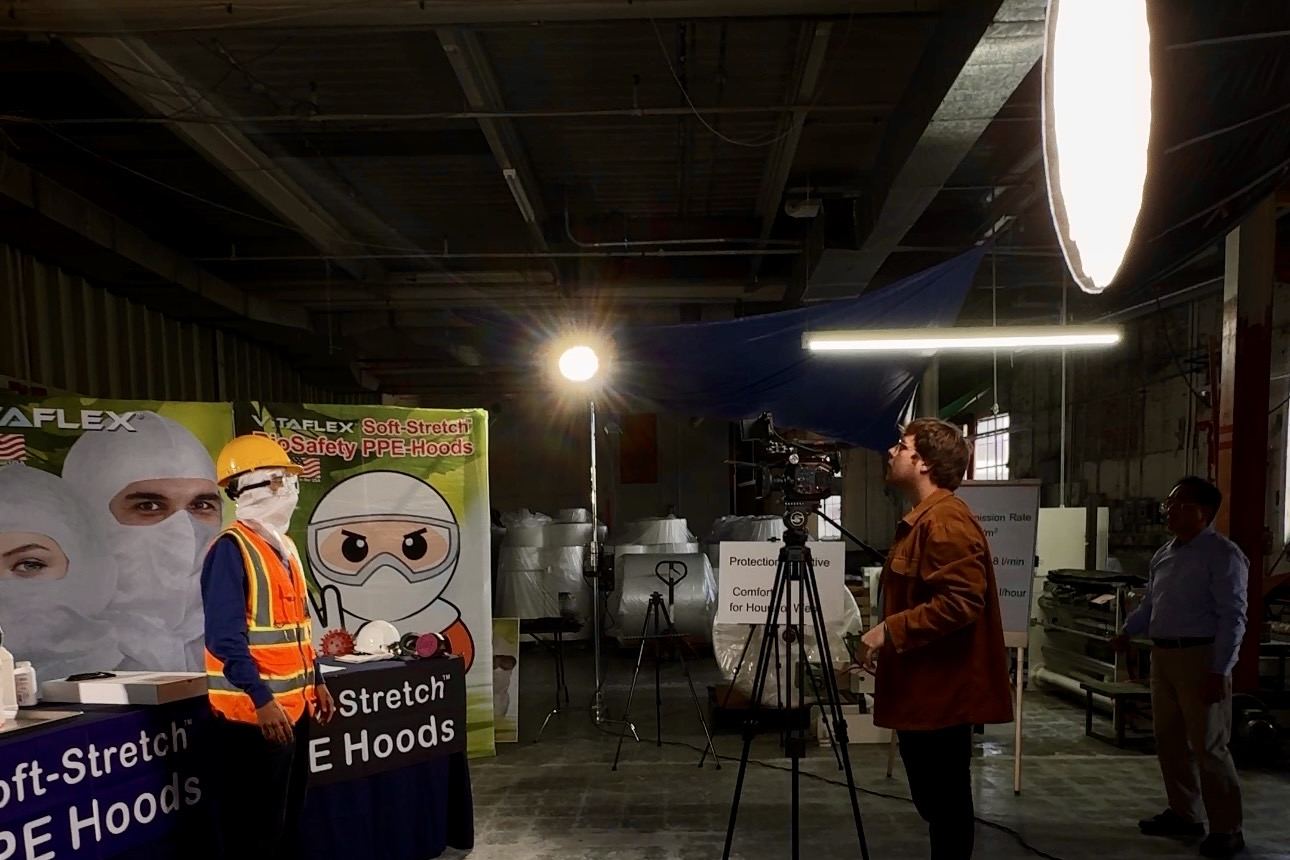 Trade shows
Trade show video: what actually gets people to stop
Why most trade show video fails on a loud floor, what works with the sound off, and how to get more than a few days of use out of what you film.
Read →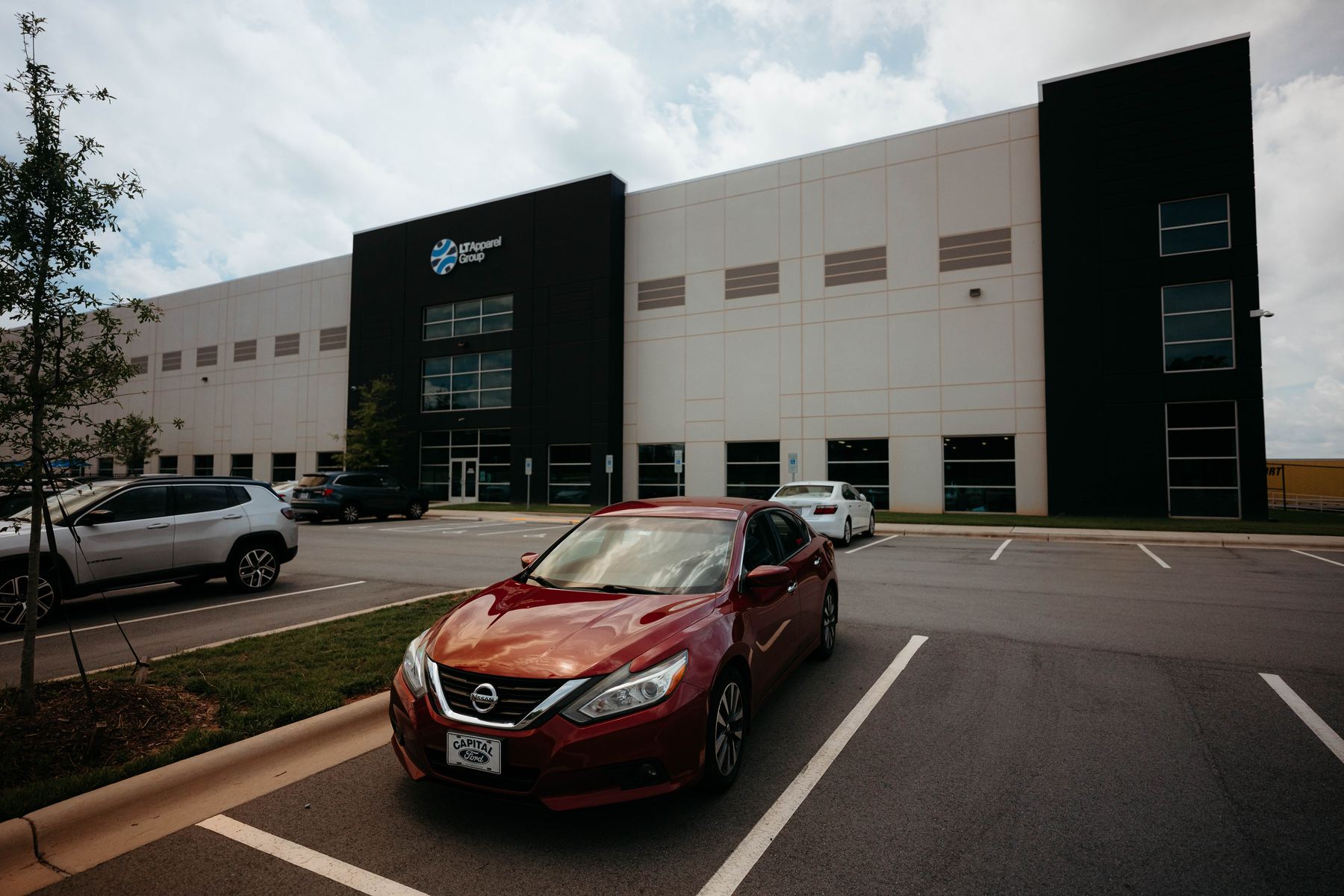 Sales and marketing
What to film when reps are selling your product
A rep carries a dozen lines and leads with whichever one is easiest to explain. What to give them so yours is the one that comes out of the truck first.
Read →Tell us what the video needs to do.

Dylan Smith is the owner of With A Twist Media in Greensboro, NC. He has been making documentary style video for manufacturers and construction companies across the Triad since 2019.