
If you make transformers, switchgear, enclosures, cable or the parts inside them, you have probably said some version of this lately. We can build it. Just not this year.
The demand is real. Lawrence Berkeley National Laboratory estimated that data centers used 4.4 percent of all US electricity in 2023. Its 2025 update projects about 11.8 percent by 2030.
The equipment line is long. Power transformer lead times averaged 128 weeks in the second quarter of 2025, according to supply chain research by Wood Mackenzie and American Clean Power. Switchgear averaged 44 weeks.
North Carolina plants are hiring to catch up. Electrical equipment, appliance and component manufacturing added 2,800 jobs in the state in 2025, while manufacturing overall finished the year 3,600 jobs down, according to NC Commerce. That category includes Toyota's battery plant in Randolph County, so it is not all grid equipment. Still, Prolec GE Waukesha is adding 330 jobs in Goldsboro to double its output of medium power transformers, and Pennsylvania Transformer Technology broke ground on a Raeford expansion last December.
The customer on the other end of the phone is being squeezed by their own customer, a developer or a utility asking when.
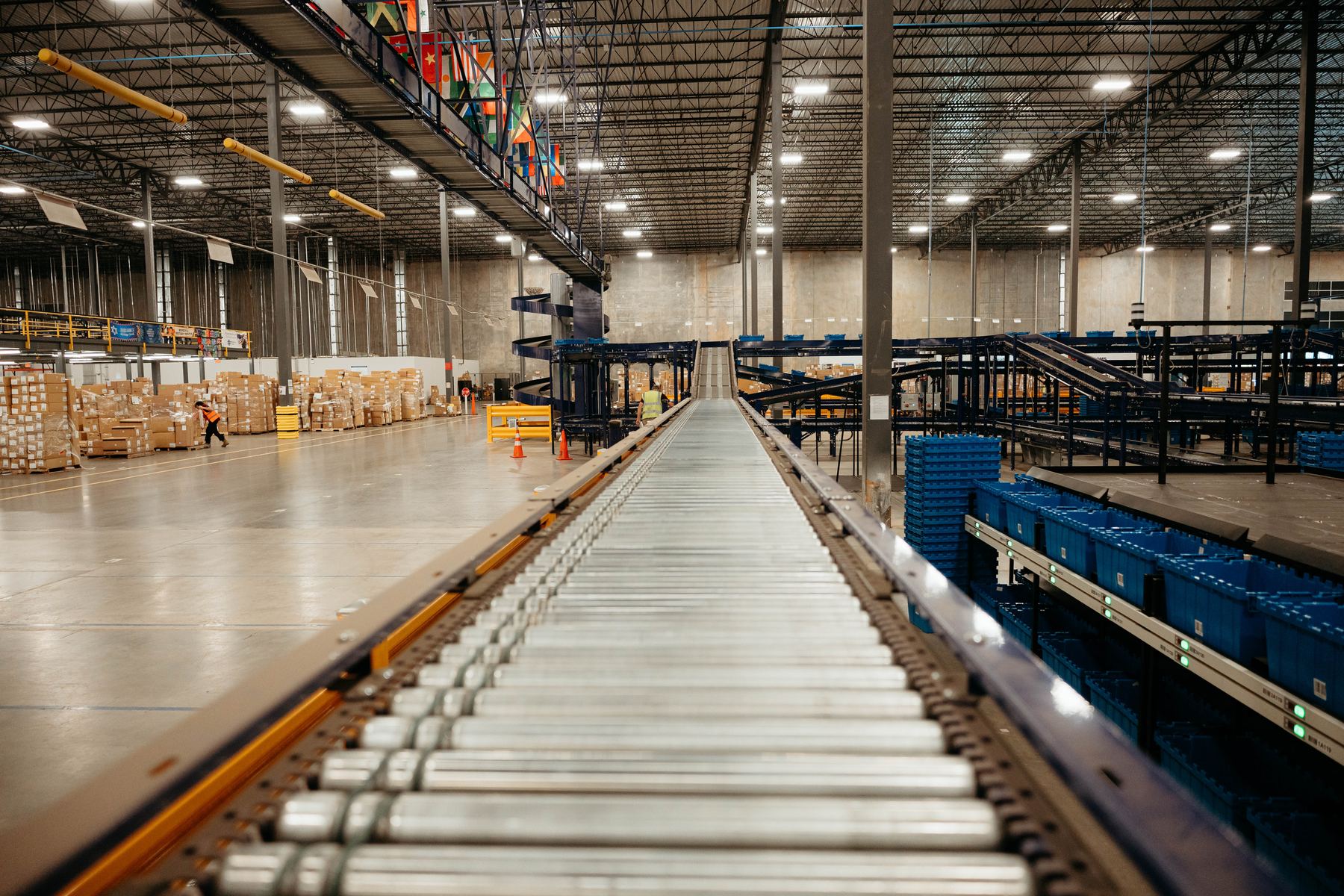
The wait is not what wears customers out
Most buyers of this equipment know the market. They can live with a long lead time. What wears them out is not knowing.
David Maister, in his classic work on the psychology of waiting, put it in two lines worth taping to the wall in your sales office. Uncertain waits are longer than known, finite waits. Unexplained waits are longer than explained waits.
Timing matters too. Robert Bray at Northwestern studied about 4.68 million parcel deliveries on Alibaba's logistics network and found customers forgave idle stretches early in a shipment more than idle stretches near the end. Silence late in the wait costs the most.
What to tell customers, and when
The real date, early. Give the date you believe, not the one that wins the order. A date that slips twice costs more trust than a long one you hit.
The reason, in plain words. Which component, which test, which constraint. Your customer has to repeat it to their own customer, so give them a sentence they can use.
An update on a schedule, even when nothing changed. Pick a rhythm and keep it. An update that says we are still on track is still an update.
More often near the end. That is when a quiet stretch hurts the most, and when the people waiting on site are making plans around your truck.
A version their boss can watch. The buyer you talk to is rarely the person who has to explain the delay upstairs. Give them something short they can send.
Show the capacity, not just the promise
Customers believe what they can see. In food service experiments led by Ryan Buell of Harvard Business School, customer reported quality rose 22.2 percent when customers and the people doing the work could see each other. A test bay is not a kitchen, but the idea travels.
So show the work. The new line going in. The first unit through the new test bay. The class of new hires learning the job from the people who have done it for twenty years.
That kind of story gets filmed over time, not in one day. For Quality Workx, a Burlington contractor, we came back to one full gut and rehab four separate times and filmed each stage. It became a four minute documentary and sixteen short videos cut from the same footage.
An expansion works the same way. Film it at milestones, and each visit gives you a customer update now and a piece of the finished story later. The same footage can feed a recruitment video, because you are hiring fast too. If the expansion runs a year or more, a video retainer with a shoot day each quarter usually fits better than one big production.
Video also saves a conversation your team keeps repeating. Your sales team is probably explaining the same lead time to customer after customer, in slightly different words each time.
What video cannot do
It cannot shorten the lead time. Only capacity does that.
It should never show capacity you do not have yet as if it were already running. Film the line when it is real, and say what is still coming.
And if the date moves, the next update says so, on camera, from the same person who gave the first date. Customers remember who told them the truth when it was inconvenient.
The short version
- Customers can live with a long lead time. Uncertain and unexplained waits are what wear them out.
- Give the real date early, explain the reason in plain words, and update on a schedule.
- Update more often as the date gets close, when silence costs the most.
- Show the capacity coming: the new line, the test bay, the new hires.
- Video will not shorten a lead time. If the date moves, say so on camera.