
Some product tests you can run all afternoon. Others happen once.
The fire burns through the room. The part snaps. The alarm goes off or it does not. There is no second take, because the thing you were testing is gone.
When the test is the video, almost all of the work happens before anyone hits record. Here is how we plan one.
Decide what counts as a pass before anything starts
Test labs write the pass condition down before anything is lit. The 8th edition of UL 217, the smoke alarm standard, took effect on June 30, 2024, and NIST describes three new tests in it. Two burn polyurethane foam, one flaming and one smoldering. The third broils two frozen hamburger patties, and the alarm passes by staying quiet.
Your filmed test needs the same thing, said plainly before the start. What has to happen, and in what order, for the product to win.
For The Flame Detector, the claim was simple. It would react to real fires before ordinary smoke alarms did. The founders came from firefighting, and they knew what a lost minute costs. UL Research Institutes says people had 17 minutes to escape a house fire forty years ago, and now have an average of three minutes or less after a smoke alarm sounds.
When the stakes are measured in seconds, the comparison and the clock are the whole argument.
Build the comparison into the room
We built a fire room. Six common smoke alarms, both photoelectric and ionization, mounted alongside The Flame Detector. Then five different fires, including an electrical short, rugs and curtains, and a simulated oil rag fire for spontaneous combustion.
Everything ran at once, in the same room, with one fire and one clock. Nobody watching has to trust a spec sheet or an edit. They watch all seven devices face the same fire.
Notice what we burned. A lab uses standard foam so results repeat from one test to the next. We used rugs and curtains because that is what is actually in a house. Both are valid. They do different jobs, and you should say which one you are doing.
Plan the coverage like you cannot go back
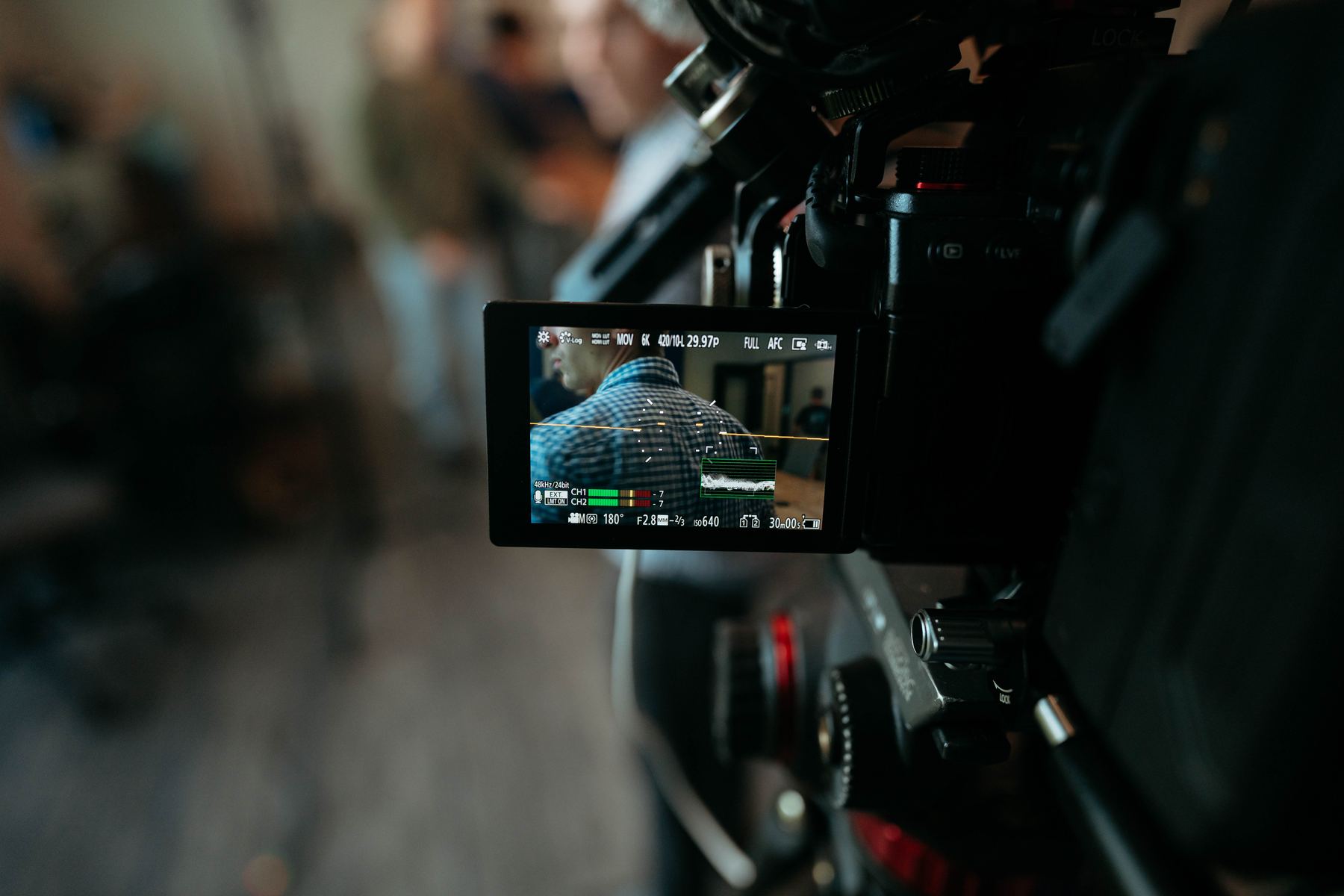
One wide that never moves. Lock a camera on the whole setup from ignition to result. This is the shot that proves nothing was cut.
A clock everyone can see. Put a timer in frame, or a clear start signal, so viewers can compare times themselves instead of trusting the edit.
A tight shot on every unit. If the result is a light or a sound, somebody has to be close enough to catch it the moment it happens.
Audio you can trust. With alarms, the result is a noise. Record it clean, and record it on more than one device.
Qualified people in charge. The people who light the fire or load the press decide when it is safe, and they can stop it. The camera crew follows their rules, not the other way around.
A rehearsal without the result. Walk the camera moves and the start signal once with nothing burning. Rehearse everything except the outcome.
Keep whatever happens
Nothing in that room was staged, and nothing was rerun for a better result. The Flame Detector beat all six alarms in every test. Some of those six never activated at all.
That last detail is the one that changes minds. It is also the one you would lose if you reran tests until they looked tidy.
Be honest about what the film is. A burn room on a test day is not a certification lab, and the video should never be cut to look like one. Say what you tested, how you tested it, and let people judge.
Three videos from one test day
One test day produced three pieces, each with a different job. The fire test is the proof. The unboxing and setup video goes from the box to a working device in three minutes, with three AA batteries, a magnetic bracket and an app. The founder interview covers why it runs a year on grocery store batteries and why it speaks instead of chirping at three in the morning.
Each one answers a different moment. Doubt for the person who never questioned their smoke alarm. Setup for the person who is hesitant. The founder for the person deciding whether to trust the company.
Plan those pieces before the day, not after. The room, the crew and the people who matter are usually only together once.
The full story is in the Flame Detector case study. If you are planning your own, here is how we film product tests, and what a shoot day looks like at a working plant.
The short version
- A live test happens once, so write down what counts as a pass before anything starts.
- Put the alternative in the same room, under the same conditions, against one clock.
- Lock one wide shot that never moves, and keep every result, especially the surprising ones.
- A filmed test is not a certification. Say exactly what you tested and how.
- Plan the setup video and the founder interview for the same day.