
The crate shows up on the dock before anyone has said a word to the floor.
Somebody on second shift takes a picture of it. By Friday the story is that half the line will be gone by spring, and nobody in the office knows.
That fear is common. In a survey of more than 1,000 people that The Fabricator reported in January 2023, nearly one in five of the respondents who work or used to work in manufacturing said they worried about robots taking their jobs. It was a small slice of a general survey, so read it as a signal.
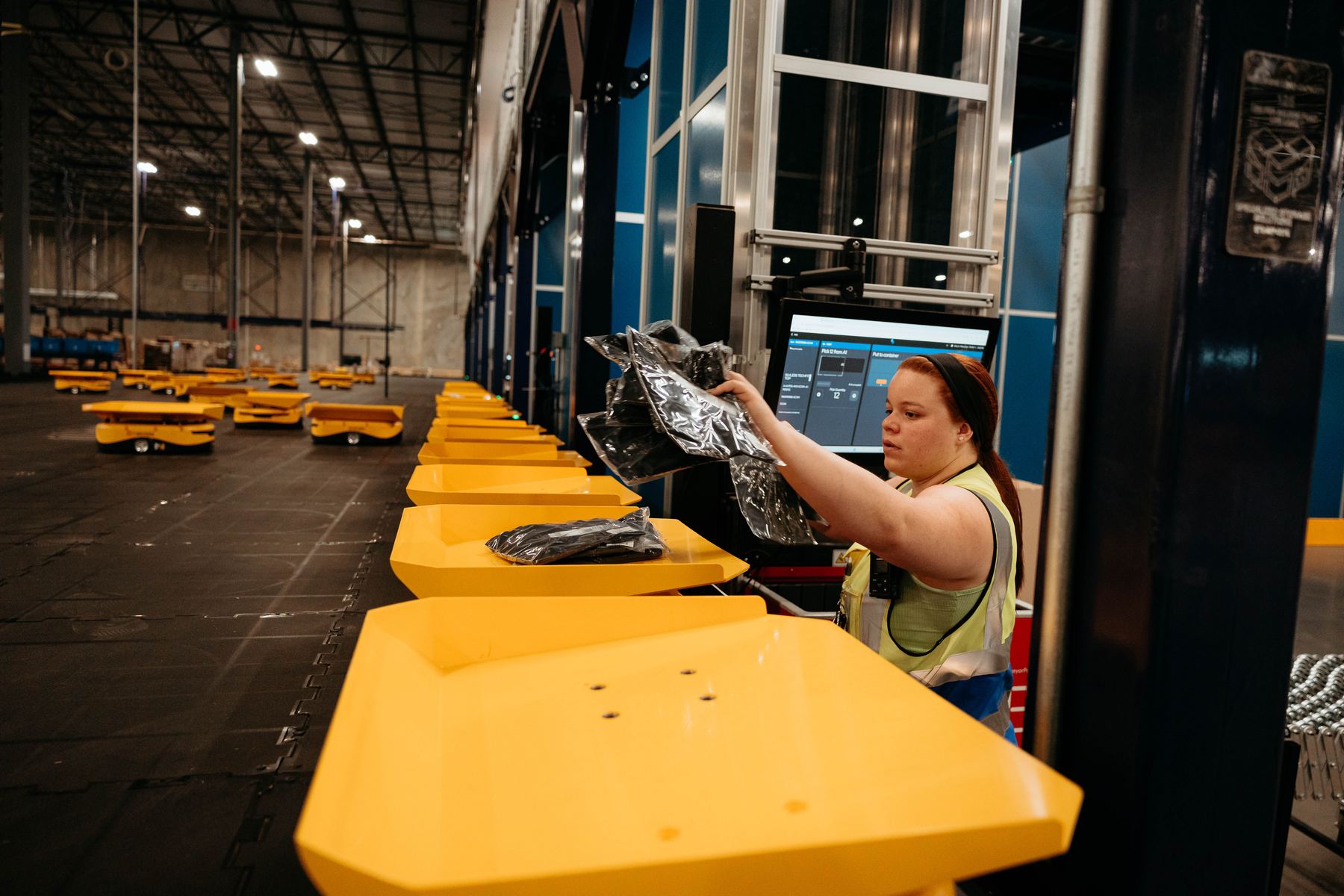
More plants are buying, too. The International Federation of Robotics counted 38,400 industrial robots installed in the United States in 2025, up 12 percent, with growth coming from food, warehousing, logistics and medical work.
Silence is where the rumor starts
In a 2006 study in Group and Organization Management, Prashant Bordia and his colleagues collected the rumors at a large public hospital going through change. Negative rumors outnumbered positive ones. The employees who reported hearing negative rumors also reported more stress about the change.
Stress turns into resumes. A 2018 study of 120 employees in New Zealand, by David Brougham and Jarrod Haar, found that people who thought robots, algorithms or artificial intelligence were more likely to replace their job were less committed to their employer and more likely to plan to leave. It was a small study outside manufacturing, but the direction will not surprise anyone who runs a plant.
That gets expensive, because the people who know your machines are the hardest part to replace. North Carolina's Commerce Department projects almost zero net job growth in manufacturing from 2024 to 2034, and still nearly 360,000 openings in production jobs over the next decade as people leave.
Say it before the truck arrives
Tell people before the equipment is visible. Before the integrator walks the floor with a tape measure, before anyone cuts concrete. Once people can see it, they have already written their own version.
Brief supervisors an hour ahead. They are the ones who get the questions at the machine.
Then cover five things.
What is coming. The cell, the robot, the new line. Where it goes and when it arrives.
Why now. Volume you cannot staff, a job that keeps hurting people's backs, a customer asking for more. Give the real reason, not a word like efficiency.
What happens to the jobs. Who moves where, who gets trained, and what happens to the work that goes away. If you cannot promise that nobody loses a job, do not promise it. People remember that sentence longer than anything else you say.
What you do not know yet. Say it out loud, or somebody else will fill it in.
When they will hear from you next. Give a date, and keep it.
Let the operators explain it
A memo from the front office explains automation in front office words. Throughput, labor hours, payback. The floor is listening for something else.
The most believable person on this subject is somebody who already made the move. An operator who now tends the robot. A maintenance tech who learned to program it. If a sister plant or a supplier went through this, borrow their people. If it is your first cell, film the operators you are training on it.
Ask them what they would tell a friend who asked about it at a cookout. That question gets you a conversation instead of a presentation, and it leaves the jargon behind.
It is the same rule we follow in all of our manufacturing video. Real people who do the job, not actors, because a machinist can tell when somebody is holding a tool wrong.
What video can do, and what it cannot
Video does not make the announcement. You do, standing on the floor, on every shift, taking the questions nobody wants to ask in a group.
What video does well is everything after. It gives second and third shift the same words first shift heard. And it shows the new work, which a memo cannot.
Film the rollout in stages. For Quality Workx, a Burlington contractor, we came back to one house four separate times and captured a full rehab, from tearing out the carpet to the finish. An automation project deserves the same: the old way, the install, the first week, and an operator three months later saying how it actually went.
None of this stops the line. Interviews run about twenty minutes each, so five people takes under two hours, and the rest is filming work that is already happening. If you are worried it will disrupt production, here is what a shoot day looks like.
One honest limit. A good video will not save a bad plan. If the automation really does cut jobs, people need to hear that from you, with the details, and a video that smiles past it will cost more trust than it earns.
The short version
- Tell people before the equipment is visible, and brief supervisors first.
- Cover what is coming, why, what happens to jobs, what you do not know, and when they will hear more.
- Do not promise what you cannot keep.
- Let operators who already made the move explain it in their own words.
- Use video after the announcement, for every shift and every stage, not instead of it.