
Put a flag on your website and you have made a claim, whether you meant to or not.
The question is whether you can back it up, and whether a buyer believes it. Both matter more than they used to.
What the FTC means by Made in USA
The Federal Trade Commission's standard is all or virtually all. Final assembly or processing happens in the US. All significant processing happens in the US. And all or virtually all of the components are made and sourced in the US.
In 2021 the FTC put that standard into the Made in USA Labeling Rule, which took effect August 13, 2021. When it announced the rule, the FTC said it could seek civil penalties of up to $43,280 per violation.
The rule covers labels, including labels shown online. The FTC's broader policy covers every product advertised or sold in the US, in every kind of marketing, including websites, email and social media. Its guidance also warns that flags and map outlines can make an origin claim by themselves.
If a product does not meet the standard, there are honest options. The FTC says Assembled in USA works when the principal assembly here is substantial, and its own example is a lawn mower with 15 to 20 percent foreign content. Simple screwdriver assembly of foreign parts usually does not qualify. Claims about one process or part work too, if they are true and clearly name that process or part. Machined in Greensboro from imported steel says exactly what happened.
This is not legal advice. If you are unsure, your attorney should see the claim before your customers do.
Your customers will ask for your paperwork
In B2B, this runs in both directions. If a customer puts Made in USA on their product, your part is one of their components.
The FTC tells marketers they can rely on supplier information given in good faith, and to ask suppliers for specific information about the percentage of US content. So the question is coming to you.
Have the answer ready before anyone asks. A short origin statement for each product line, signed by someone who knows the supply chain, and reviewed when a source changes. The FTC says companies have an ongoing obligation to review their claims. It is not glamorous. It keeps customers comfortable putting your part in their product.
Why buyers are asking
The Reshoring Initiative's 2025 annual report, posted in October 2026, counted 247,063 manufacturing jobs announced in 2025 from reshoring and foreign direct investment. North Carolina ranked second among states, with 21,387 announced jobs across 105 cases.
Then look at why companies say they made the move. Proximity to customers was cited 516 times, second on the list. The image and brand of Made in USA was cited 144 times, eleventh.
Made in USA matters, but it does not top the list. Buyers moving work home want suppliers who are close, dependable and easy to work with. Origin gets you considered. The rest of the decision is about whether they trust how you work.
Show it instead of saying it
A flag tells a buyer where you say you are. A camera on your floor shows them.
Shield Security Doors is based in Brooklyn and builds its doors in High Point, NC. Their challenge was not where the doors are made. It was that everything that makes a Shield door worth the money is inside it, where nobody can see it.
So on May 19th, Shield brought in local Triad SWAT teams to run a real breaching test on three of their doors. We filmed it with two cameras plus drones and staged nothing. The strongest line in the film came from a lieutenant with twenty years of SWAT experience, not from Shield. More on how we approach product testing video.
Made in USA works the same way. A badge asks a buyer to take your word for it. Footage lets them check.
The people who build it. Their names, their stations, how long they have been doing it.
The incoming material. The receiving dock and the tags that show where it came from, if they help your case.
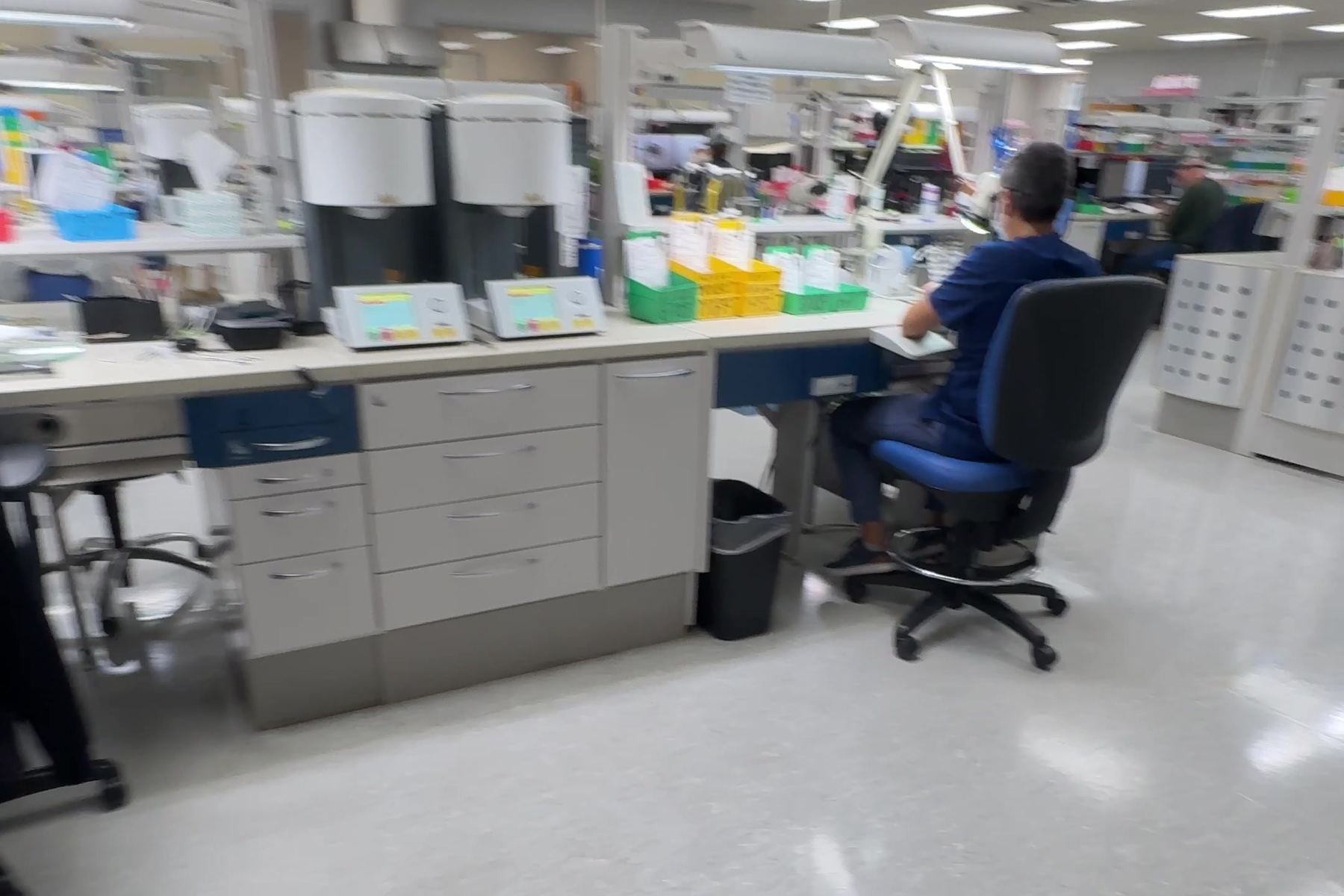
The last station before the dock. Final assembly or processing, the first thing the FTC standard asks about, happening in your building.
It is the same idea behind any good industrial product demo video.
One caution. Before anything goes on camera, make sure the claim in the film matches what your origin paperwork supports. Video makes a claim louder. It should be one you can defend. Here is how we handle manufacturing video production across North Carolina.
The short version
- The FTC standard is all or virtually all, and since August 13, 2021 a false Made in USA label can bring civil penalties.
- Flags and maps can make the claim for you. When the full claim does not fit, use a qualified or specific one.
- Keep a signed origin statement ready. The FTC tells your customers to ask suppliers about US content.
- In the Reshoring Initiative's 2025 data, proximity to customers outranked Made in USA image, 516 citations to 144.
- Show the people, the material and the final step, and only claim what your paperwork backs up.