"Great to work with" is not a testimonial.
Client testimonial video for manufacturers and contractors across the Triad. What makes one worth watching, and the question we ask that most people skip.
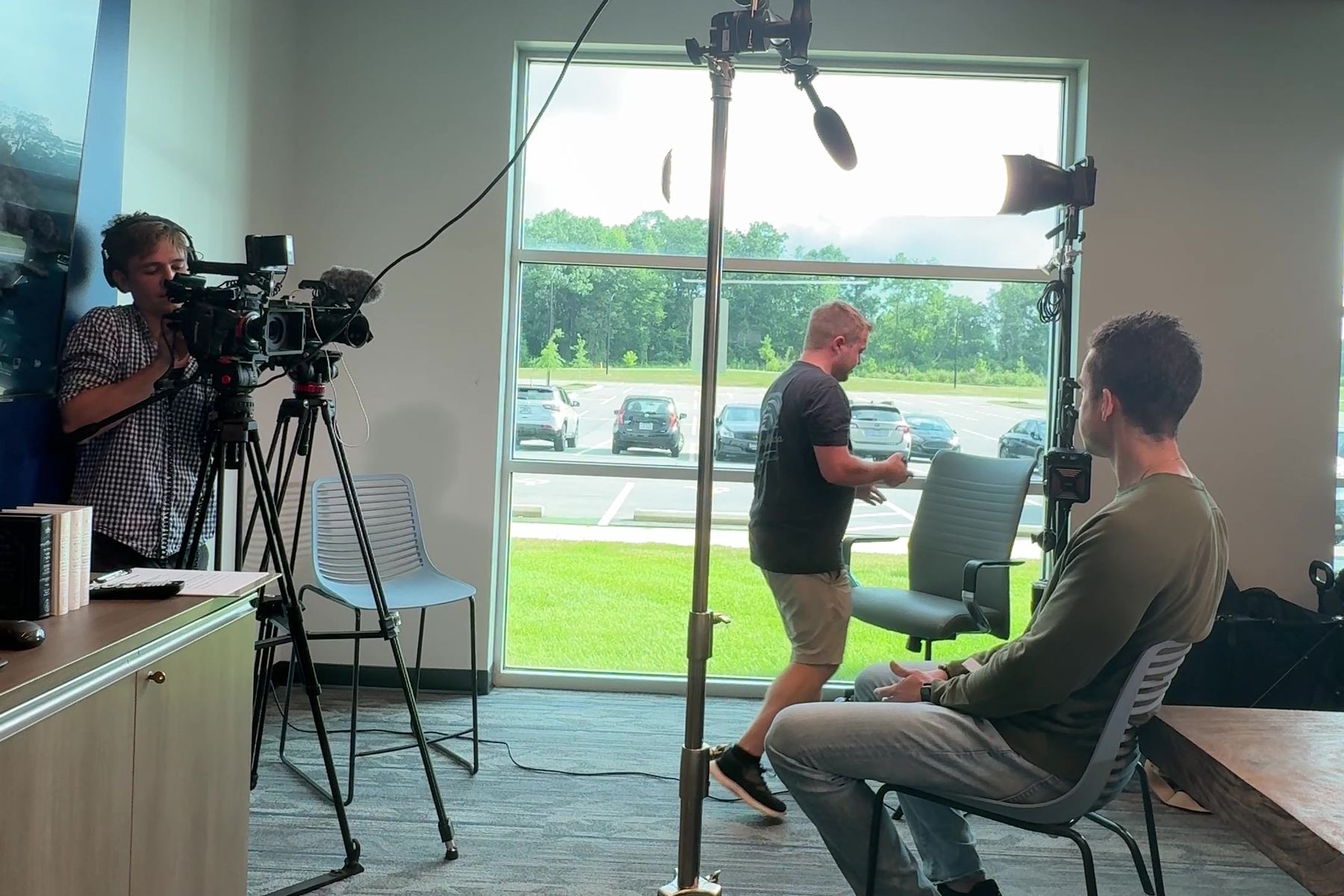
- The question we ask
- What changed for you?
- Scripts
- None, and no questions sent ahead
- Interview
- About twenty minutes for ninety usable seconds
- From one interview
- A full piece, short cuts and a proposal quote
Everybody is great to work with.
A testimonial where somebody says they were great to work with is worth almost nothing.
Every competitor has three people saying it. A prospect reads it, believes it, and it changes nothing about their decision.
The ones that work say something specific enough that only one company could have earned it.
The question we ask.
After a project wraps, we do not ask people for a testimonial. We ask what changed for you after working together.
Those are different questions and they produce different answers. Asking for a testimonial gets you a compliment. Asking what changed gets you a before and an after, which is the only structure that persuades anybody.
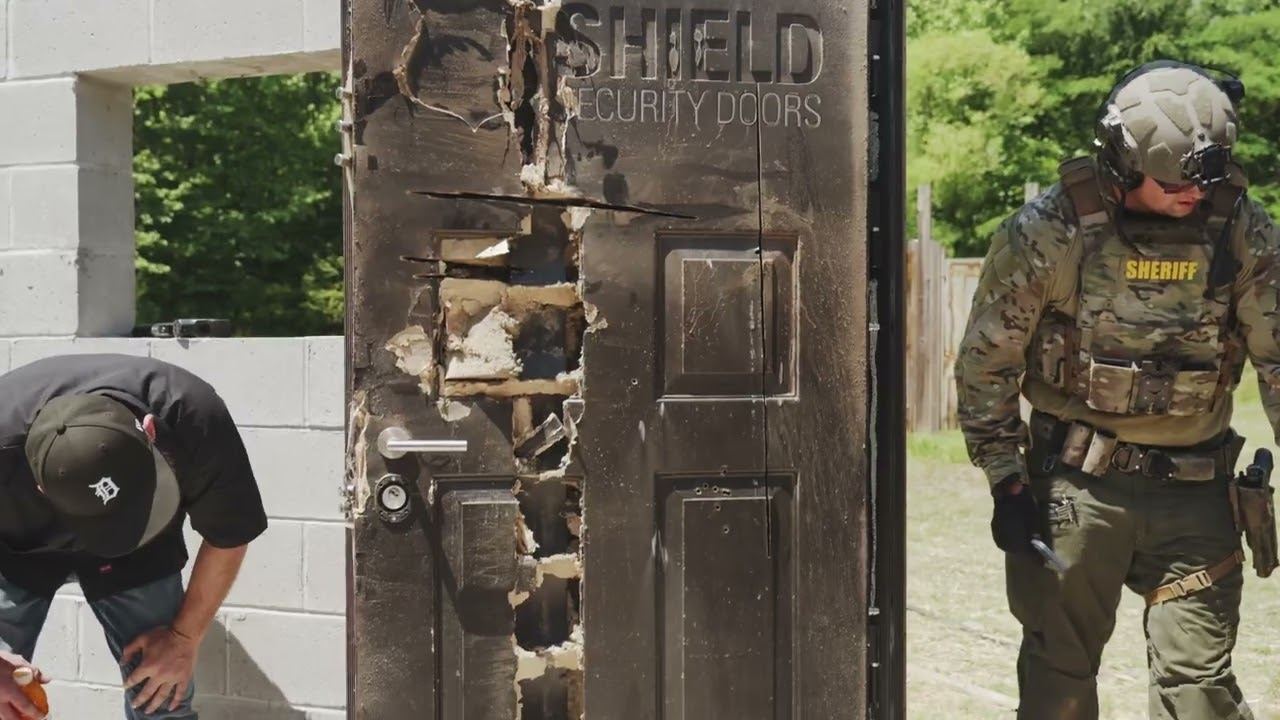
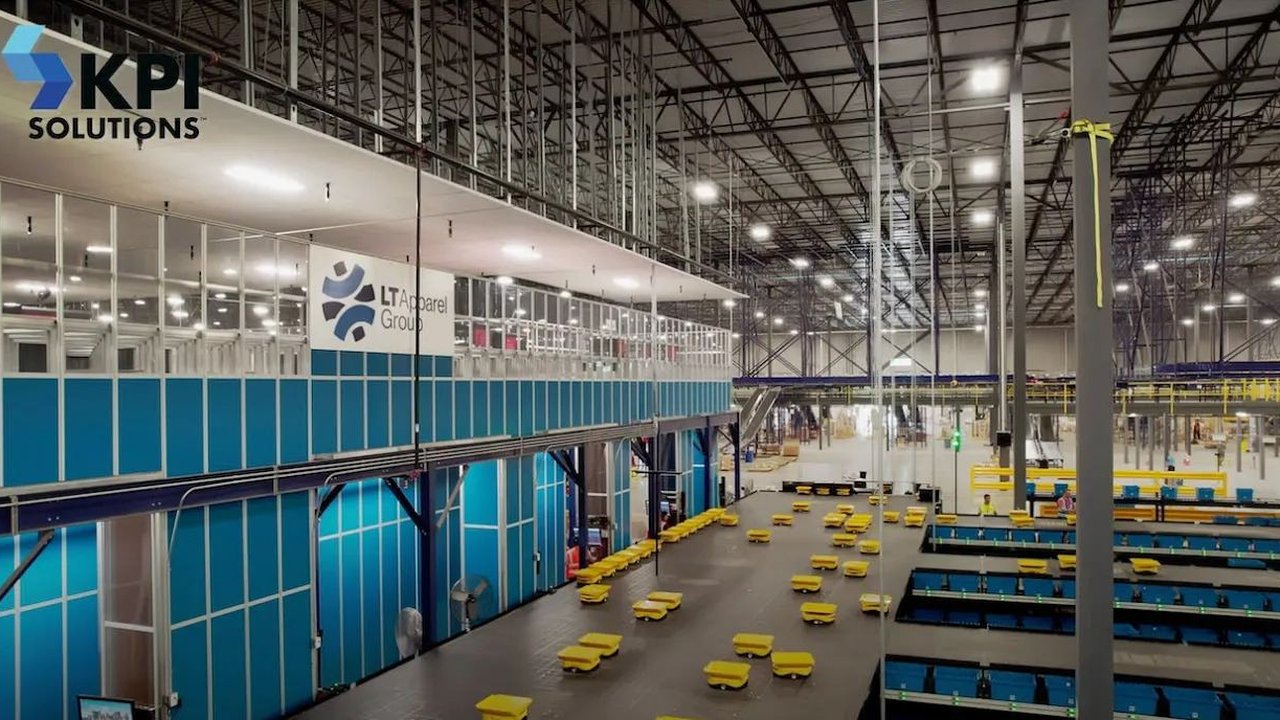
Samuel Fish at Shield Security Doors told us the video showcases what they do in a way they could never show before. Patti Satterfield at KPI Solutions said we understood how to bring across their strengths. Neither of those is a rating. Both are specific.
Specific enough to believe.
 0:24
 0:23
 1:48
Why unscripted matters.
We do not write testimonials for people and we do not send questions in advance. Rehearsed answers sound rehearsed. Everybody can hear it, including the buyer you are trying to convince.
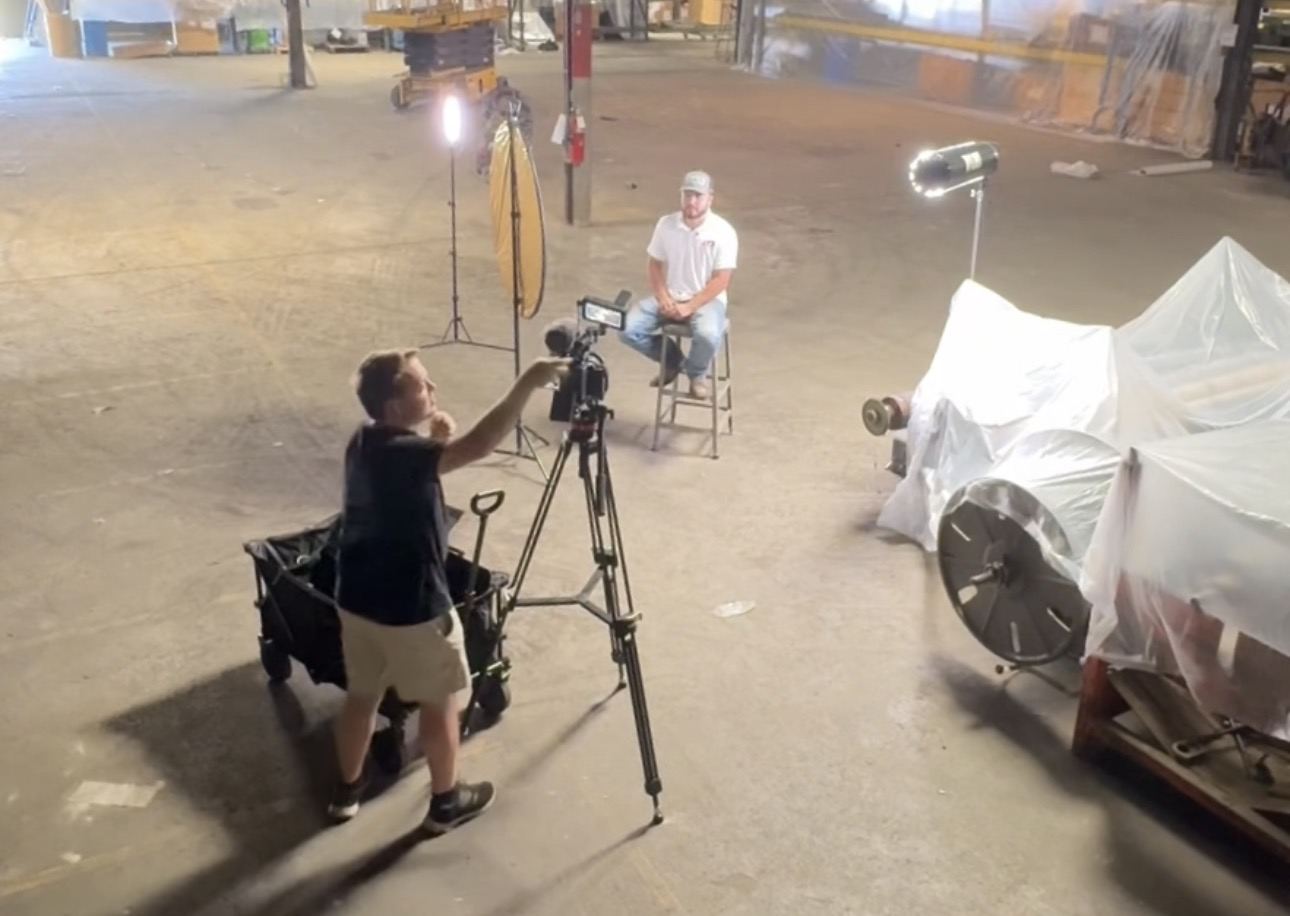
What we do instead is prepare the questions carefully and then have a real conversation. A twenty minute interview usually produces ninety seconds of usable material. That ratio is normal and it is the reason not to script. Here is what we do if someone freezes on camera.
Who should be on camera.
Not always who you would pick first. Owners give the most polished answer, and sometimes that is right. But the person who actually felt the difference is often further down. A project manager, a foreman, an operations lead, the person who lived with whatever you fixed.
Ask a buyer who they would rather hear from and it is usually not the CEO. More on who should be on camera.
Make it usable afterward.
A testimonial that lives on one page and nowhere else is a wasted shoot.
The same interview should produce the full piece, a set of shorter cuts for social and email, and a quote your sales team can put in a proposal. That gets planned before filming, not after. See what our own clients said on our testimonials page.
The short version.
- Great to work with is not a testimonial. It is a compliment.
- Ask what changed, not for a testimonial.
- Do not script it and do not send questions ahead.
- The most credible person is often not the one with the biggest title.
- Plan the reuse before you film, or you get one asset instead of ten.
Companies like yours, in their own words.
Questions we get asked.
How long is a testimonial video?
Anywhere from under thirty seconds to about three minutes, depending on where it lives. One interview gives you both lengths.
Will our customers agree to be filmed?
More often than people expect, especially when the project made them look good too. We help you make the ask and film around their schedule.
Do you send the questions ahead?
No. We prepare them carefully, but rehearsed answers sound rehearsed and buyers can hear it.
Where do testimonial videos get used?
Your website, proposals, sales follow up, LinkedIn, email, and the booth at a trade show.
Plain answers, before you call.
 Being on camera
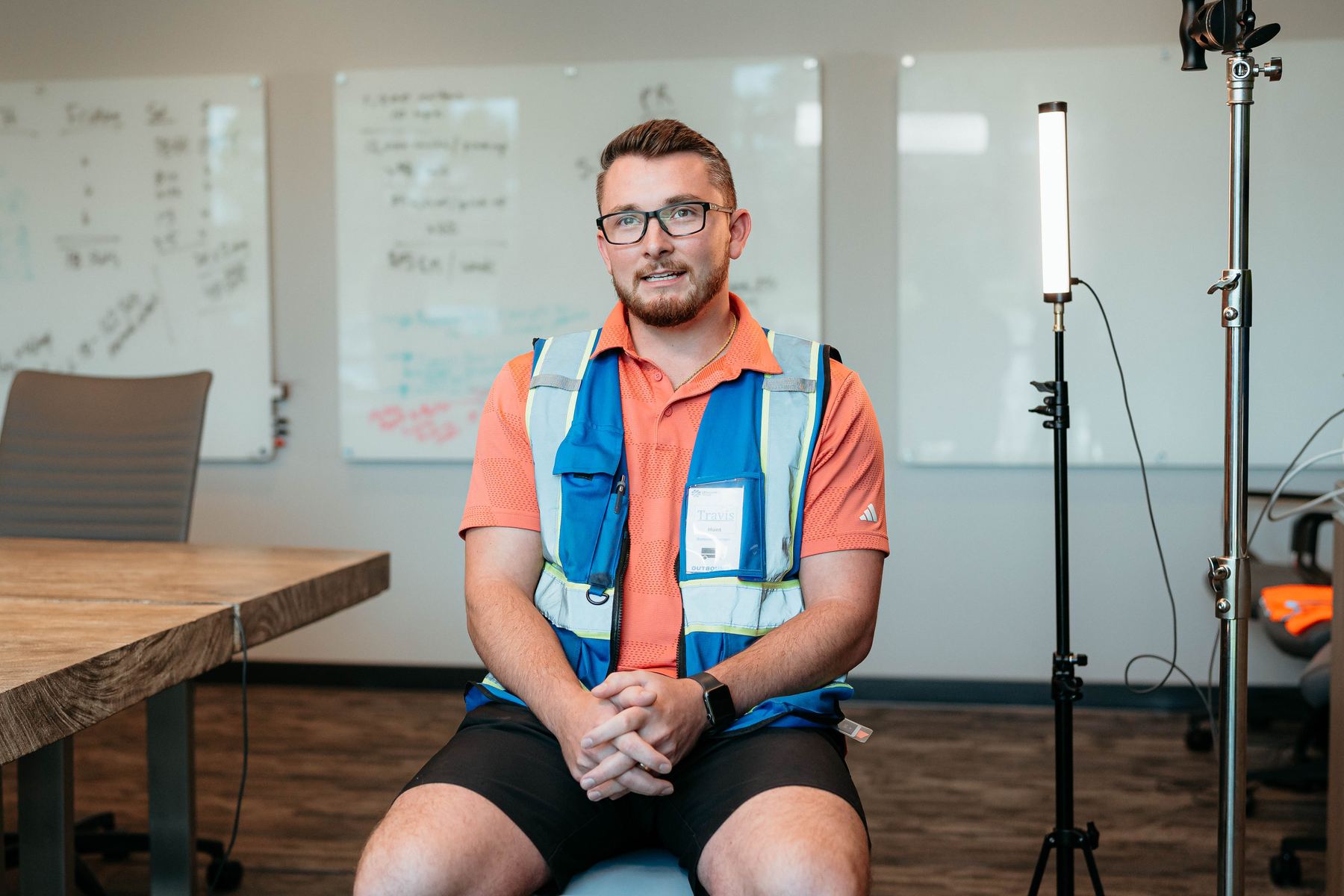
Who should be on camera in your company video?
Why the owner is not always the right person, who buyers actually find credible, and how to pick without hurting anyone's feelings.
Read →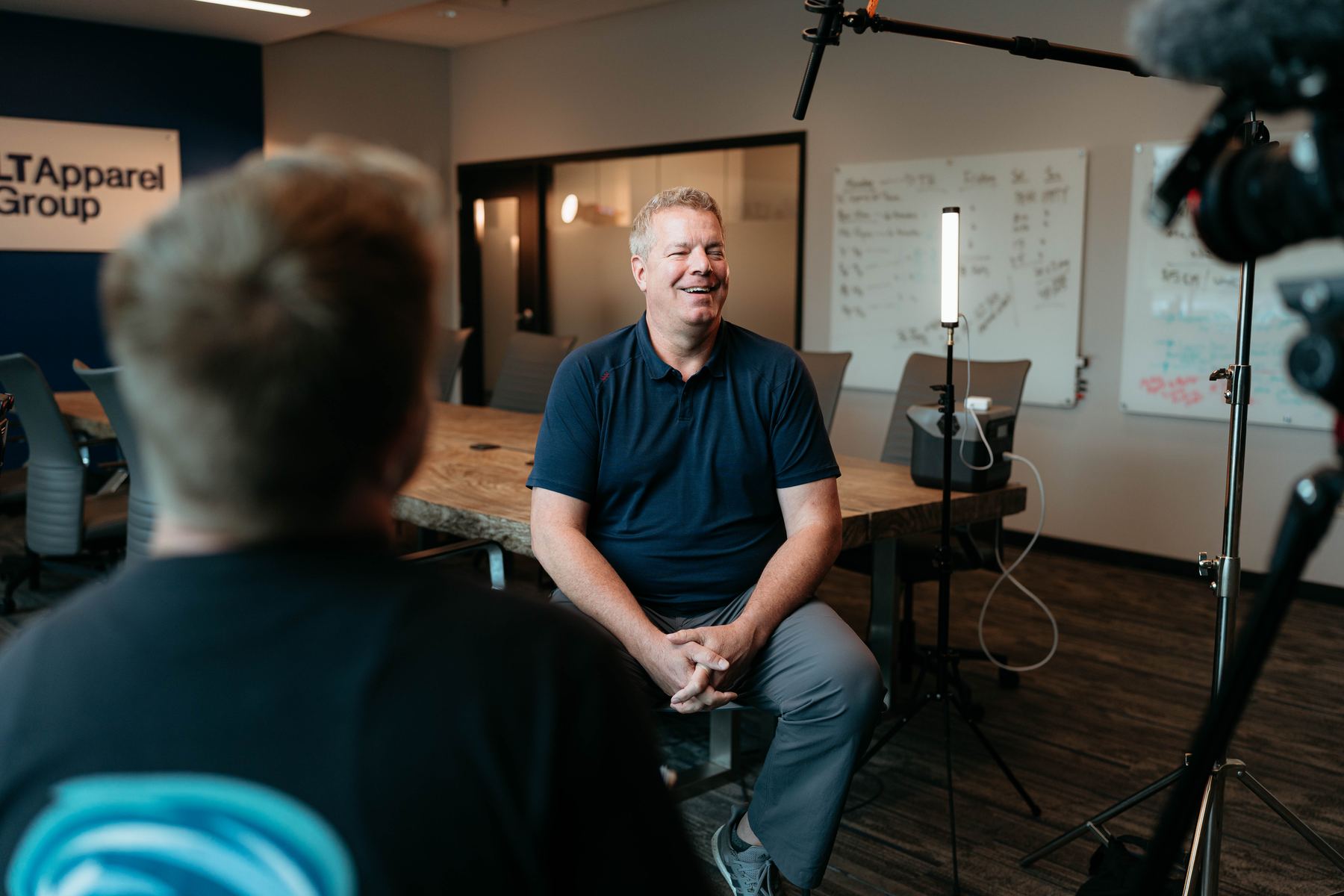 Being on camera
What if my people freeze on camera
The most common worry before a shoot, and the one that almost never happens. Why people freeze when you ask them to perform and not when you ask them to explain.
Read →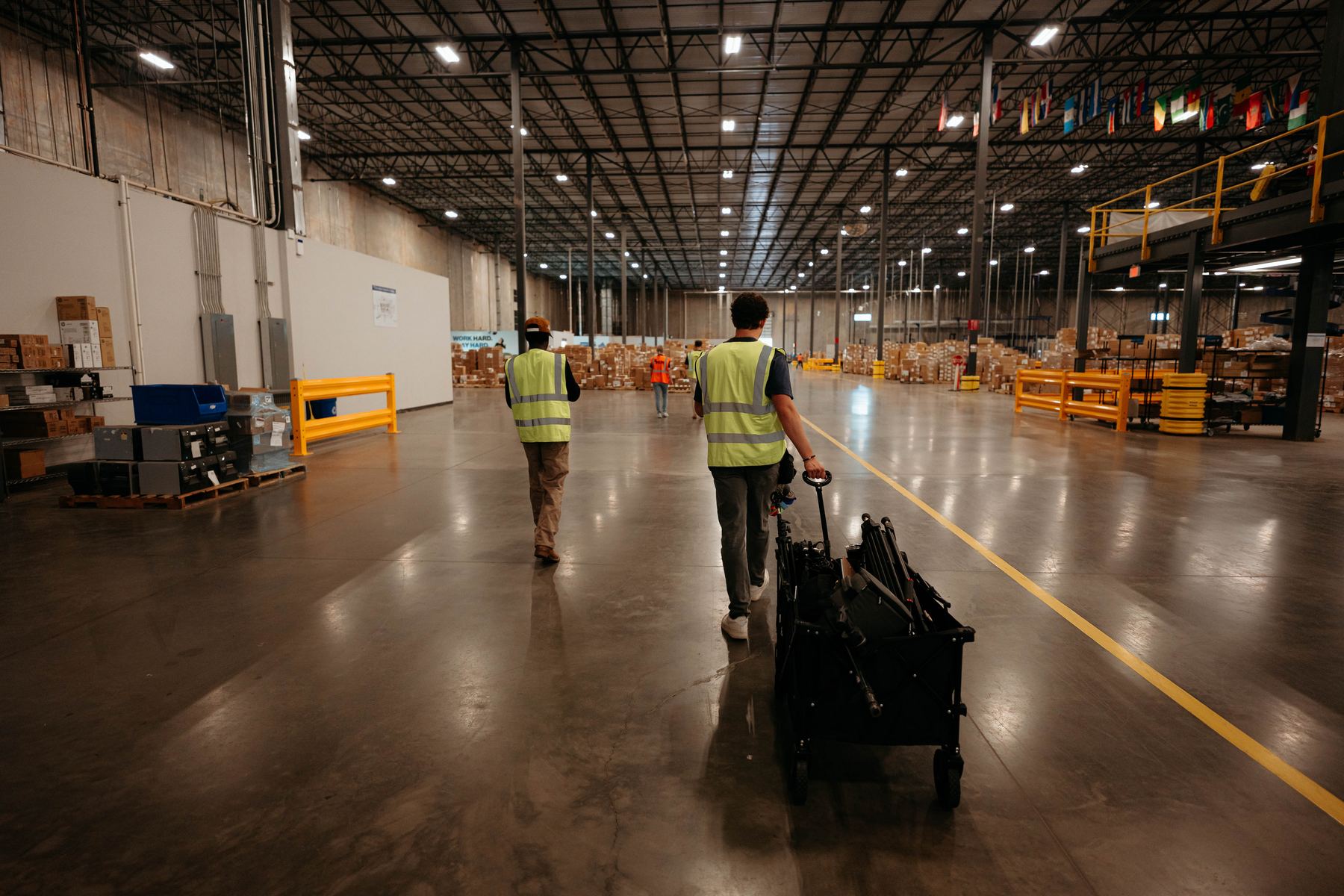 Getting more from a video
What happens after the video is delivered
Most companies use about ten percent of what they paid for. What to do with a finished video so the shoot day keeps paying off.
Read →Tell us what the video needs to do.

Dylan Smith is the owner of With A Twist Media in Greensboro, NC. He has been making documentary style video for manufacturers and construction companies across the Triad since 2019.