Automation video that sells the result, not the robots.
Case study and demo video for warehouse automation, material handling and logistics companies. Show buyers the result, not just the robots.
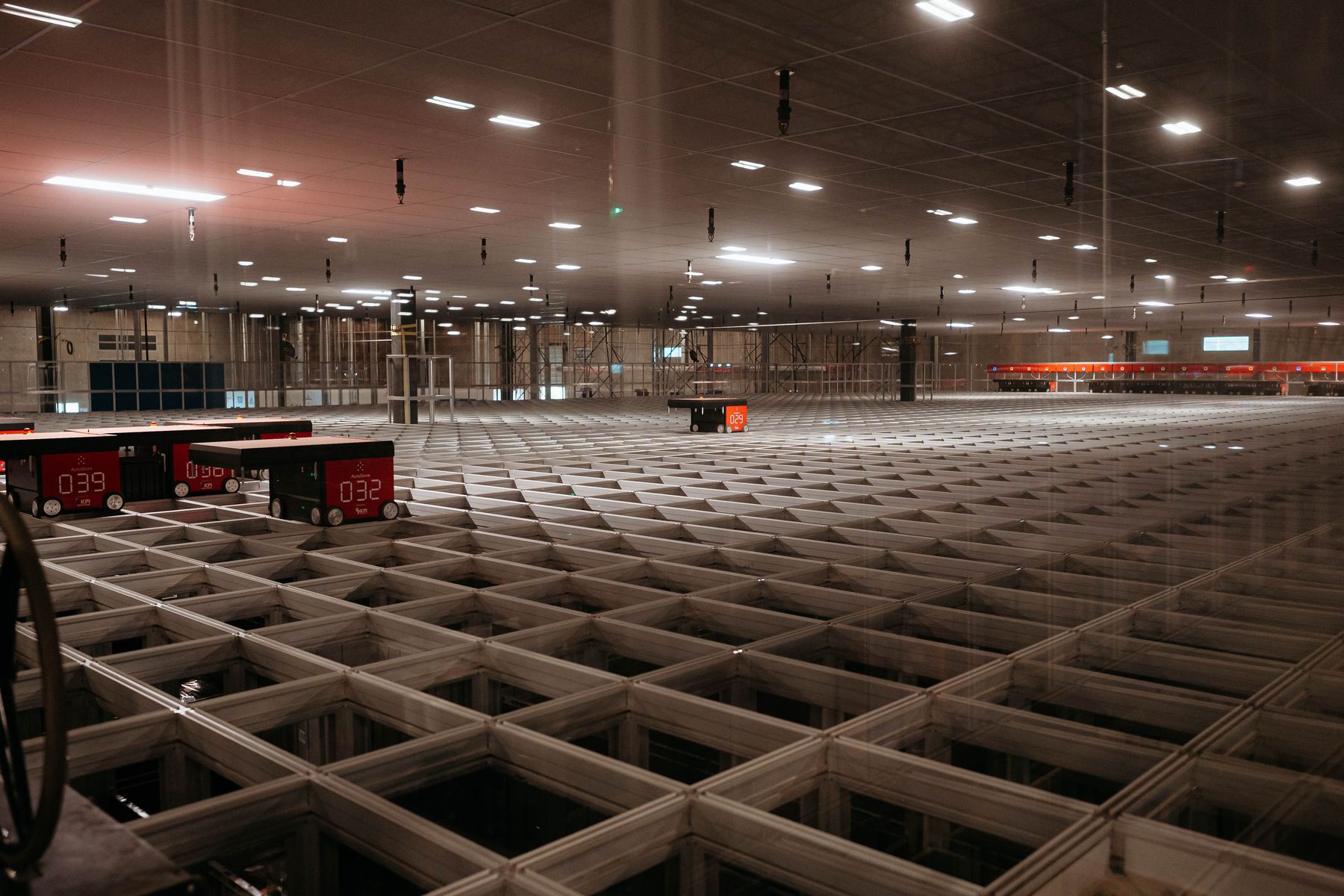
- Proof
- KPI Solutions at LT Apparel
- On film
- 30,000 to 150,000 units a day at peak
- After it aired
- A standing ovation at a national trade show
- Built for
- Integrators, OEMs, 3PLs, distribution centers
Your buyer is not an engineer.
The people who sign off on an automation project are a CFO, a COO, a vice president of operations. They do not buy AutoStore grids, sortation robots or conveyors. They buy units per labor hour, peak capacity, fewer chargebacks and fewer people chasing labels.
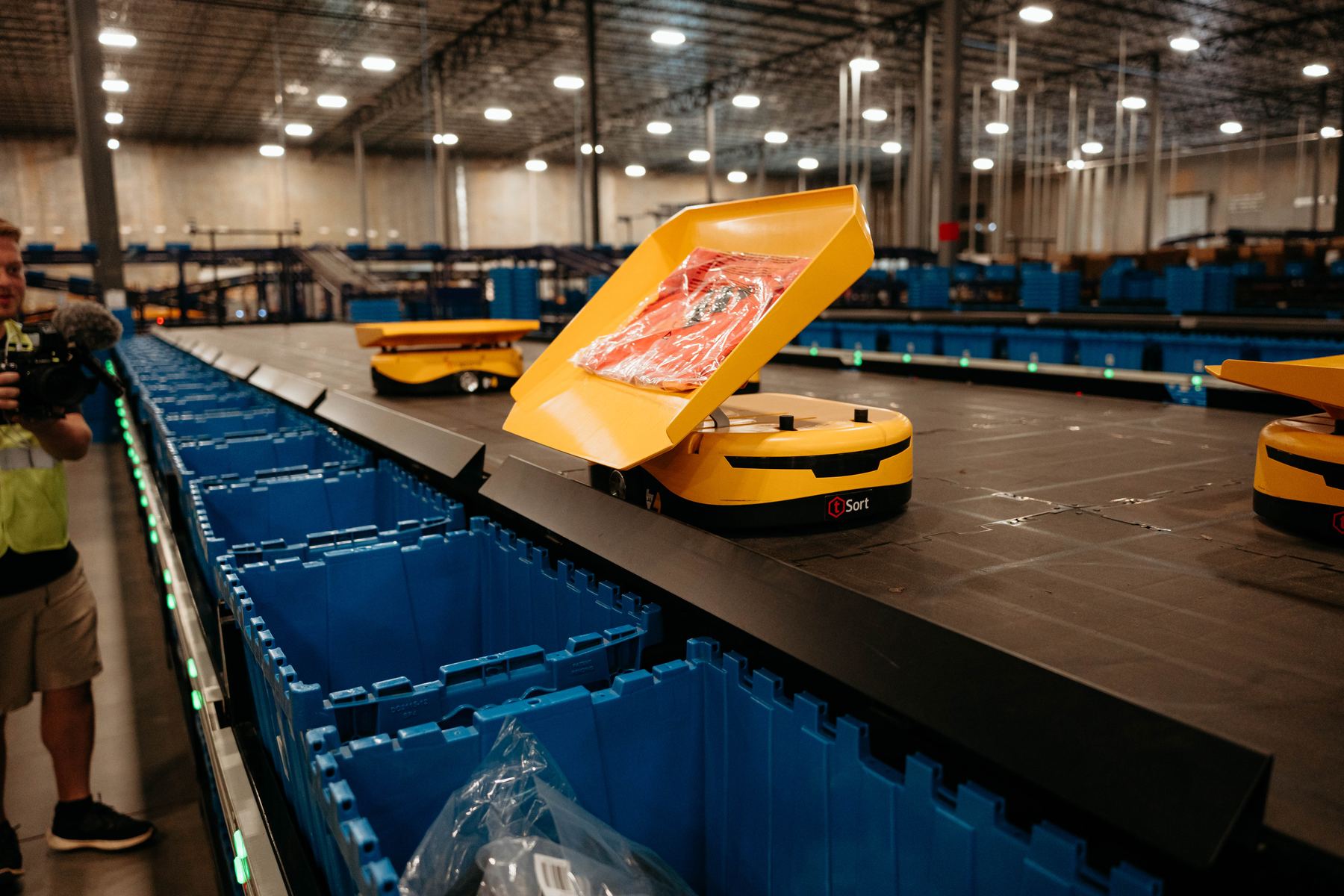
Robots are the easiest part of a warehouse to film and the least convincing part.
Every integrator's reel has robots in it. What a buyer cannot get anywhere else is your customer, on their own floor, saying what changed and what it was like to get there.
What we filmed for KPI Solutions.
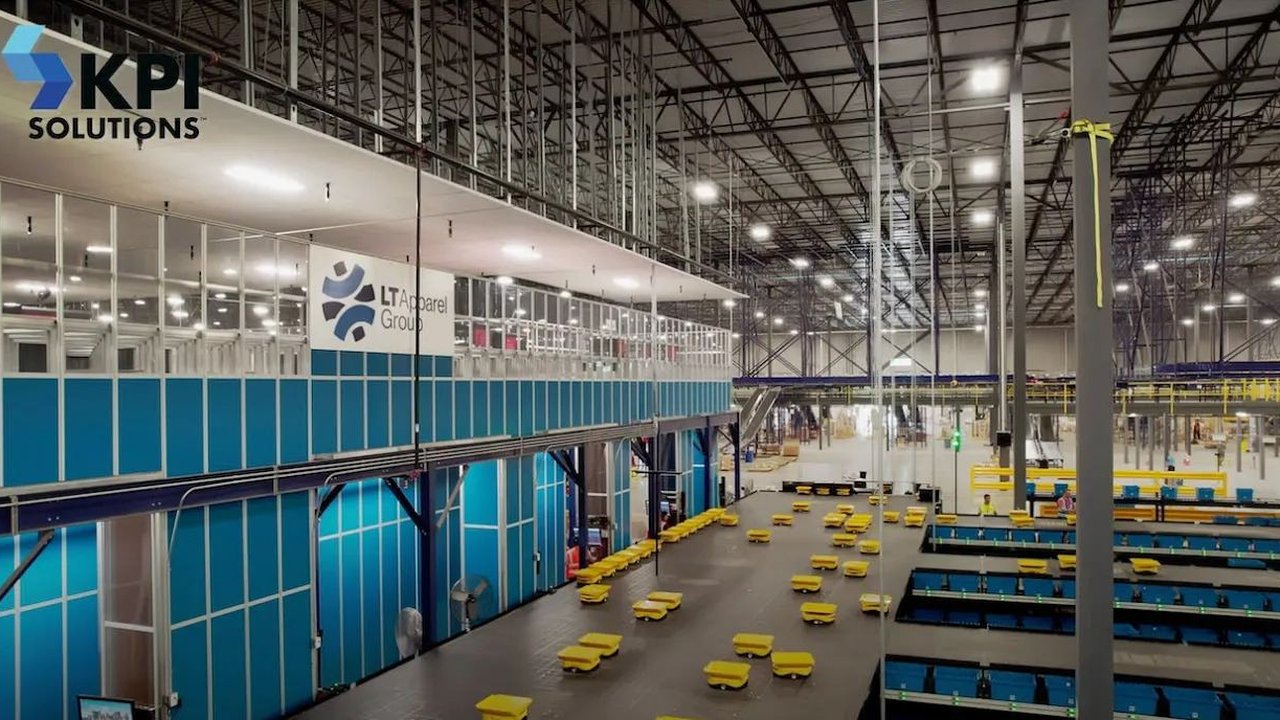
For about thirty years, LT Apparel ran a small distribution center in Dayton, New Jersey. Everything was manual: printing labels, applying them by hand, scrambling whenever volume spiked. They needed to support at least 125,000 units a day at peak and could not get there.
KPI Solutions spent years redesigning that operation. We spent one day on location with the people who lived it, with no script, asking how they would explain it to a fifth grader and how they would describe it to someone at a barbecue.
KPI played the film on repeat at their national trade show booth and got a standing ovation. Read the full KPI Solutions case study.
What an automation buyer needs to see.
The before. Manual labels, people walking miles, the peak that broke the old way. Without the before, the after is just a nice warehouse.
The scale. Wide shots that show how big the system is and how much of the building it changed.
The system at volume. Not a demo cycle. Real orders, real totes, real speed.
The people whose work changed. The operator at the pick station, the manager who used to dread peak season.
The numbers, said by the customer. Units a day, units per labor hour, chargebacks, headcount. Said out loud by the person who lives with them, then put on screen.
Filming in a live distribution center.
Safety vests, escorts into restricted zones and walkway rules get sorted before shoot day. Interviews happen in a conference room, about twenty minutes each, while the floor keeps shipping. Everything else is filming the work while it happens. We plan around peak, not into it.
Built for trade show season.
MODEX 2026 drew 50,000 registered attendees and 1,057 exhibitors. ProMat 2027 runs April 19 to 21 in Chicago, and MODEX 2028 is April 3 to 5 in Atlanta. A film for the booth needs to be shot four to six weeks before the show, and the same shoot should feed the follow up afterward, which is where KPI's 35,000 contacts came from. More on trade show video that gets people to stop.
Short version.
- Your buyer buys outcomes. Film the outcome, said by your customer.
- Show the before, the scale, the system at volume, the people and the numbers.
- One day on location, no script, the floor keeps shipping.
- The proof: KPI Solutions and LT Apparel, 30,000 to 150,000 units a day at peak.
Companies like yours, in their own words.
Questions we get asked.
Can you film at our customer’s distribution center?
Yes, and that is where the strongest automation videos come from. We help you make the ask, then film around their schedule and their site rules.
Will filming slow down shipping?
No. Interviews run about twenty minutes each in a conference room, and everything else is filming work that is already happening. We plan around peak season.
Can the video show real numbers?
Yes. The customer says them on camera and we put them on screen: units a day, units per labor hour, chargebacks, headcount.
When should we film for MODEX or ProMat?
Four to six weeks before the show, so there is time for revisions and to get files onto the booth screens.
Who do you make automation videos for?
Systems integrators, robotics and storage system partners, conveyor and sortation makers, 3PLs and distribution centers.
Plain answers, before you call.
 Product video
What makes a good industrial product demo video
Spec sheets tell buyers what a product does. Video shows them. What separates a demo that sells industrial and technical products from one nobody finishes.
Read →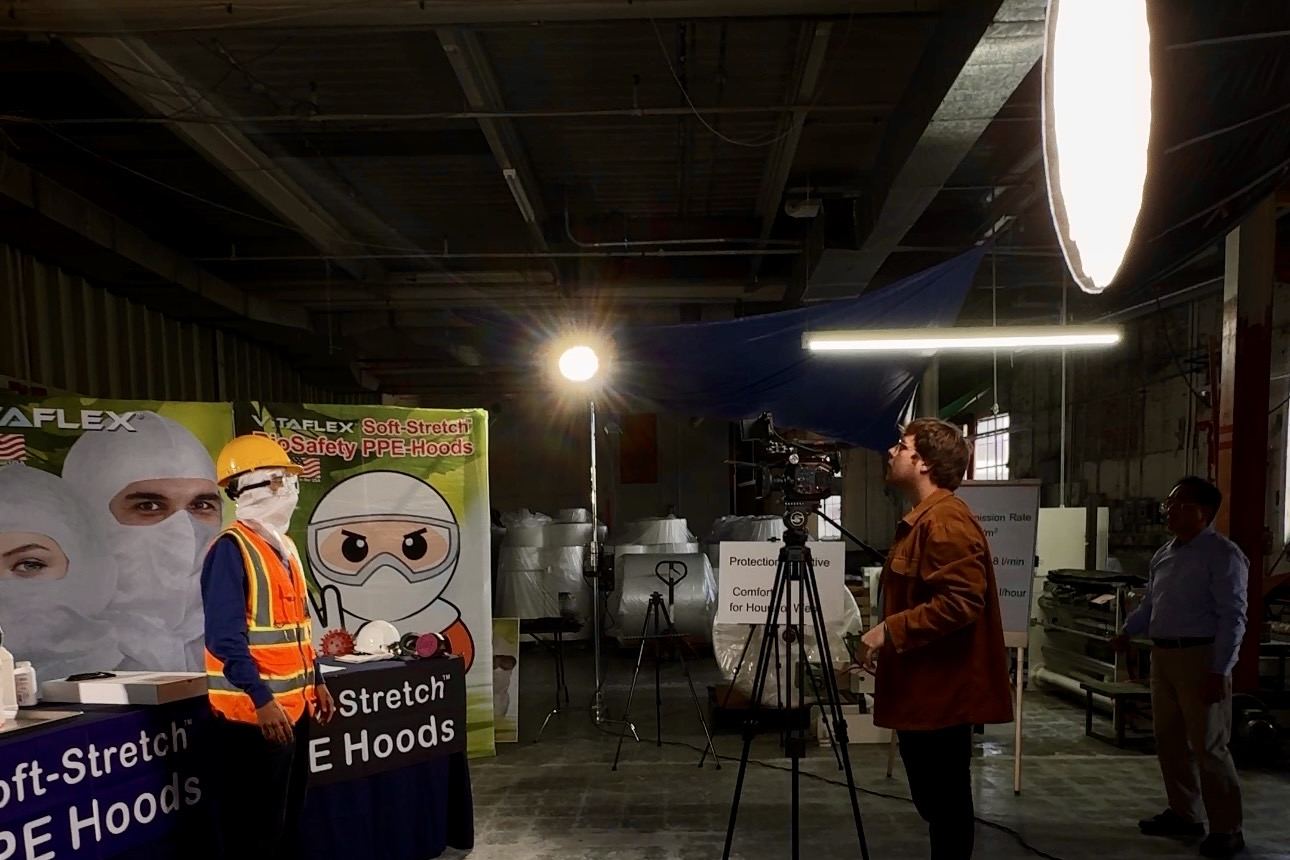 Trade shows
Trade show video: what actually gets people to stop
Why most trade show video fails on a loud floor, what works with the sound off, and how to get more than a few days of use out of what you film.
Read →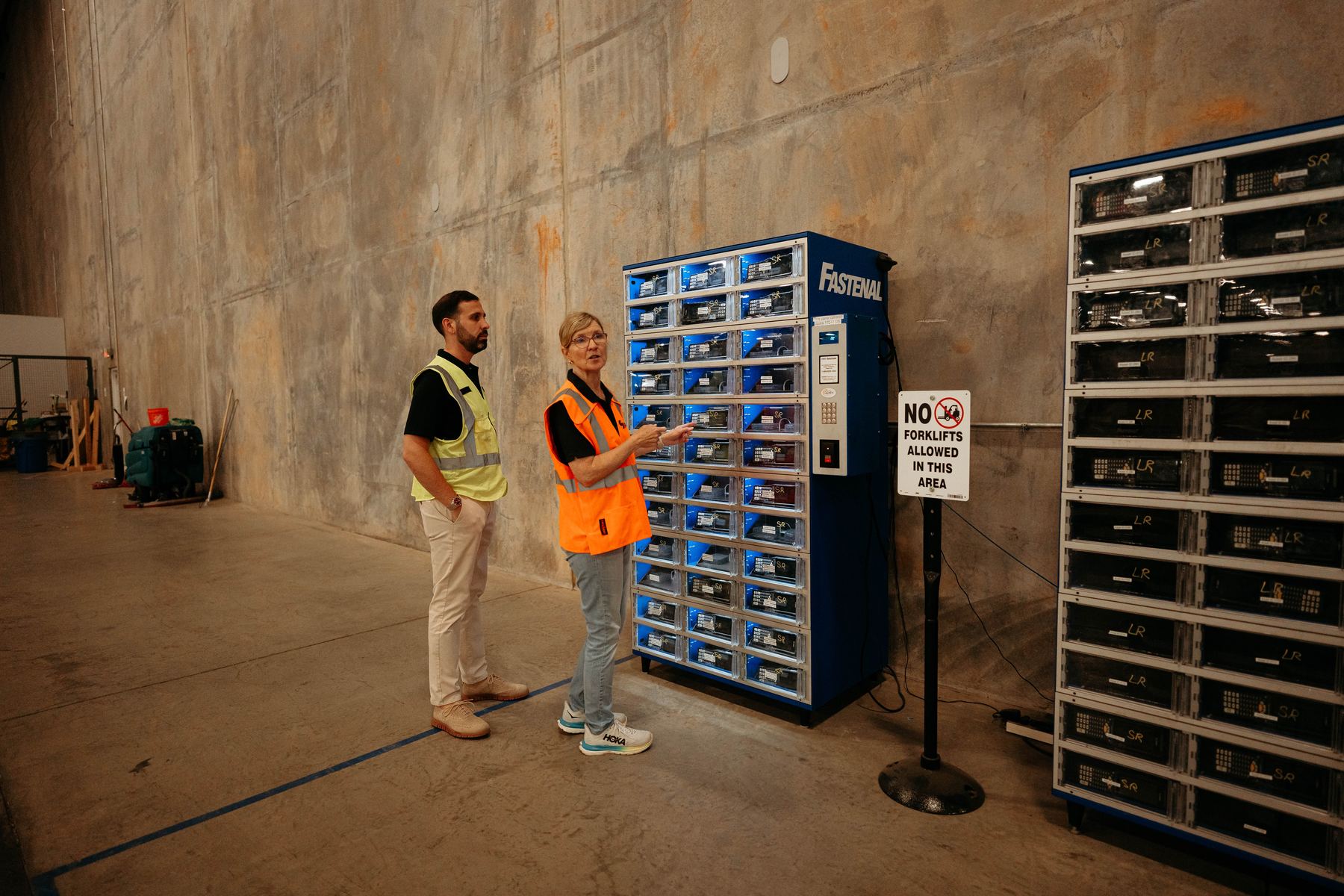 Sales and marketing
Why your buyer can't follow what you do
Technical companies lose deals to people who explain it worse. What happens when the person deciding has never done what you do.
Read →Tell us what the video needs to do.

Dylan Smith is the owner of With A Twist Media in Greensboro, NC. He has been making documentary style video for manufacturers and construction companies across the Triad since 2019.