Marketing wants the cleanroom on camera. So does HR. QA would rather nobody brought a camera near it.
All three are right. The suites are the most impressive part of a biomanufacturing plant, and the reason a sponsor or a candidate should believe you. They are also where a careless crew can cause a deviation.
So yes, you can film in a cleanroom. What matters is whether the crew works inside your procedures or around them. Here is the protocol we would follow in a GMP plant in Holly Springs, Clayton, RTP or anywhere else.
Start where QA starts
FDA's 2004 guidance on aseptic processing says "the number of personnel in an aseptic processing room should be minimized." A film crew is extra people by definition.
The same guidance is not hostile to cameras. It says "video recording of a media fill may serve as a useful aide in identifying personnel practices that could negatively affect the aseptic process." The worry is people and what they do in the room, and a crew adds both.
The CGMP rule at 21 CFR 211.28(c) is shorter still. Only people authorized by supervisory personnel enter limited access areas. A crew is there because QA said yes, on QA's terms.
Before shoot day
Walk it with QA. We walk a floor before shoot day whenever we can, because it changes what we film. In a GMP plant that walk includes QA and the area owner, with the floor plan and the classification of every room.
Write the shot list like a controlled document. Every shot, the room, its grade, and whether it is filmed from inside or through glass. QA strikes what is off limits and signs the rest.
Pick the moments. No filming during an open aseptic step or an intervention unless QA wants that footage. Setup, changeover and routine monitoring usually tell the story just as well.
Decide who gowns. The crew either completes your gowning training and qualification, or it stays outside the classified areas. There is no middle option.
On the day
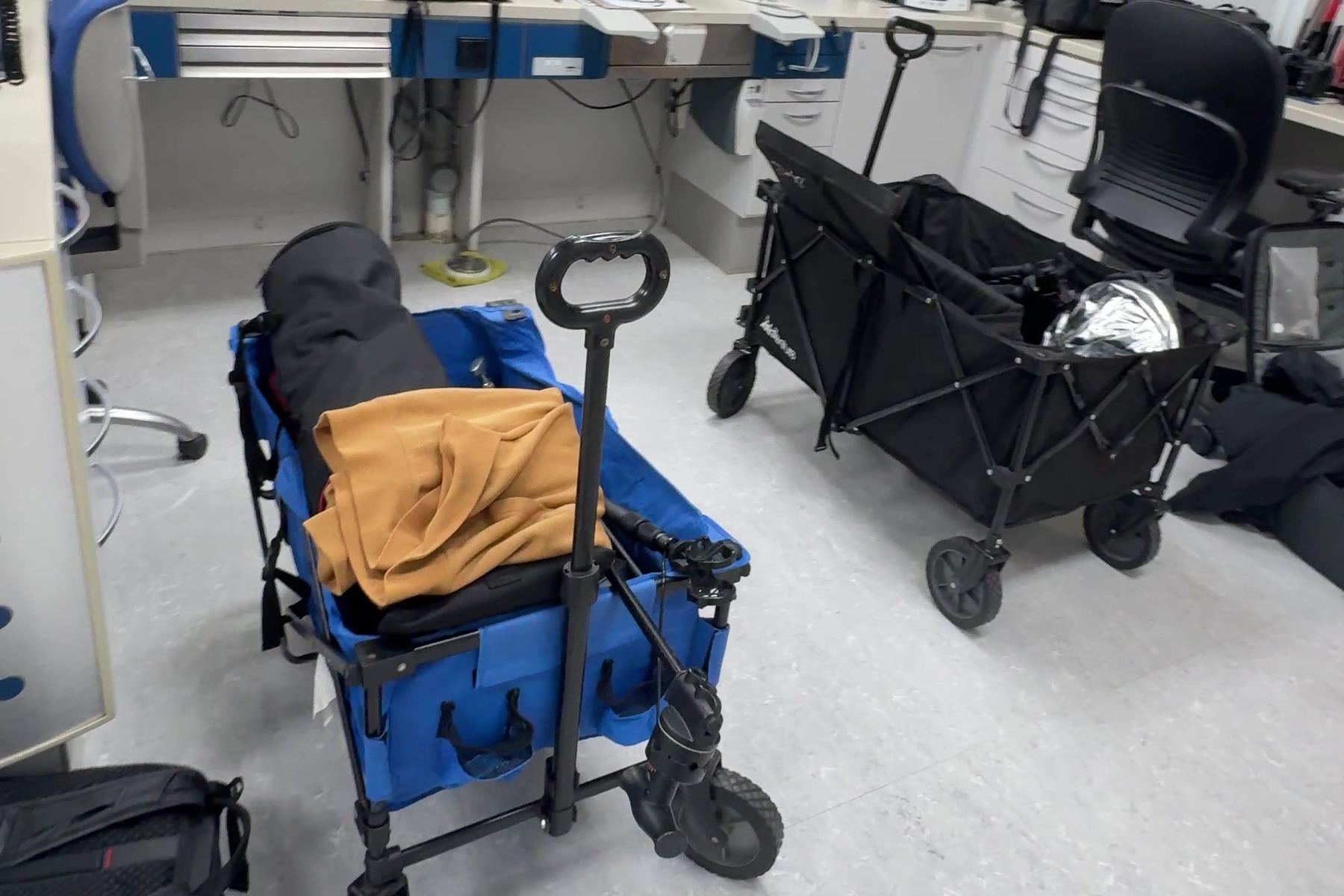
Less gear. One camera, one or two lenses, nothing made of fabric or foam. Everything that goes in is wiped down and passed through by your material transfer procedure. Cases, cardboard and bags stay outside.
Gown by your SOP. The crew gowns in the same order as your operators, watched by the same person who watches them. Gowning and lab rules apply to us the same as everyone else. That is already how we work in labs.
Film through the window first. Most of what a viewer needs can be shot from the corridor through a viewing panel, including gowned operators, equipment and movement. Go in only for the shots the window cannot give you.
Screens and batch records out of frame. Screens get checked before we roll, and nothing with a batch number, a client name or a login lands in a shot. FDA's 2018 data integrity guidance expects CGMP data to be "attributable, legible, contemporaneously recorded, original or a true copy, and accurate." So a crew never asks an operator to pause an entry or redo one for the camera. If you want paperwork in a shot, use a marked training copy.
A QA escort the whole time. Someone who can say stop, and a crew that stops. If a site requires an escort, the crew follows that rule the same way it follows hard hats and safety glasses on any other floor.
Interviews outside. Nobody sits for an interview in a classified room. At Apex Dental Laboratory Group, the interviews happened in the conference room while the lab kept working, and ours take about twenty minutes each. The cleanroom gives you the picture. The story comes from outside it.
After the shoot
Nothing is published without your approval. QA reviews every cut for anything confidential, anything a client would not want seen, and anything that does not match the SOP.
Flags get acted on. Our first cut for Naturally Nectar, a Triad health beverage maker, opened on a taste tester who called the drink different, with a face that said she was not sure that was a compliment. The founder flagged it, she was right, and we cut it.
The SOP check is worth more than it sounds. If footage shows an operator doing a step differently from the procedure, you found out before an auditor did. It is the same reason FDA calls video of a media fill a useful aide.
Our closest work so far is a dental lab, not a biologics suite. At Apex we filmed a 3D printer laying down a mouth guard behind an amber window. The protocol above is how we would bring the same care into a GMP plant. More on our medical and dental lab video.
On an ordinary plant floor the rules are lighter. Here is whether filming disrupts production there.
The short version
- Yes, you can film in a cleanroom, if the crew works inside your procedures.
- Walk it with QA, approve a shot list, and decide who gowns before shoot day.
- Bring less gear, wipe it down, and film through the window first.
- Keep screens and batch records out of frame, and never ask anyone to redo an entry for the camera.
- QA escorts the shoot and approves every cut.