
The first hundred people you hire for a new plant are betting on a rendering.
There is no floor to walk, no break room, no crew to meet. There is a press release, a site plan, and a recruiter who has never worked there either.
North Carolina is full of plants hiring ahead of the building. Toyota said it was creating 5,100 jobs at its battery plant in Liberty, employed about 2,500 people there in November 2025, and expects construction to continue until 2030. Fujifilm opened its Holly Springs cell culture plant on September 24, 2025, with more than 680 employees and a goal of 1,400 by 2031. JetZero broke ground at Piedmont Triad International Airport on June 15, 2026, on a plant the state says will create more than 14,500 jobs.
Whether you are hiring fourteen thousand people or forty, a candidate asks the same question. What am I actually walking into?
What a candidate cannot see yet
Think about who you are asking. Someone with a steady job, a commute they know and a supervisor they trust. To leave, they have to picture the new place well enough to explain it to whoever they live with.
A job posting cannot do that, and a rendering makes it worse. Renderings are empty. Candidates are looking for people.
Most of them want to know four things. Who will I work for. Who trains me, and where. What a normal day looks like once the plant runs. And what happens between now and then.
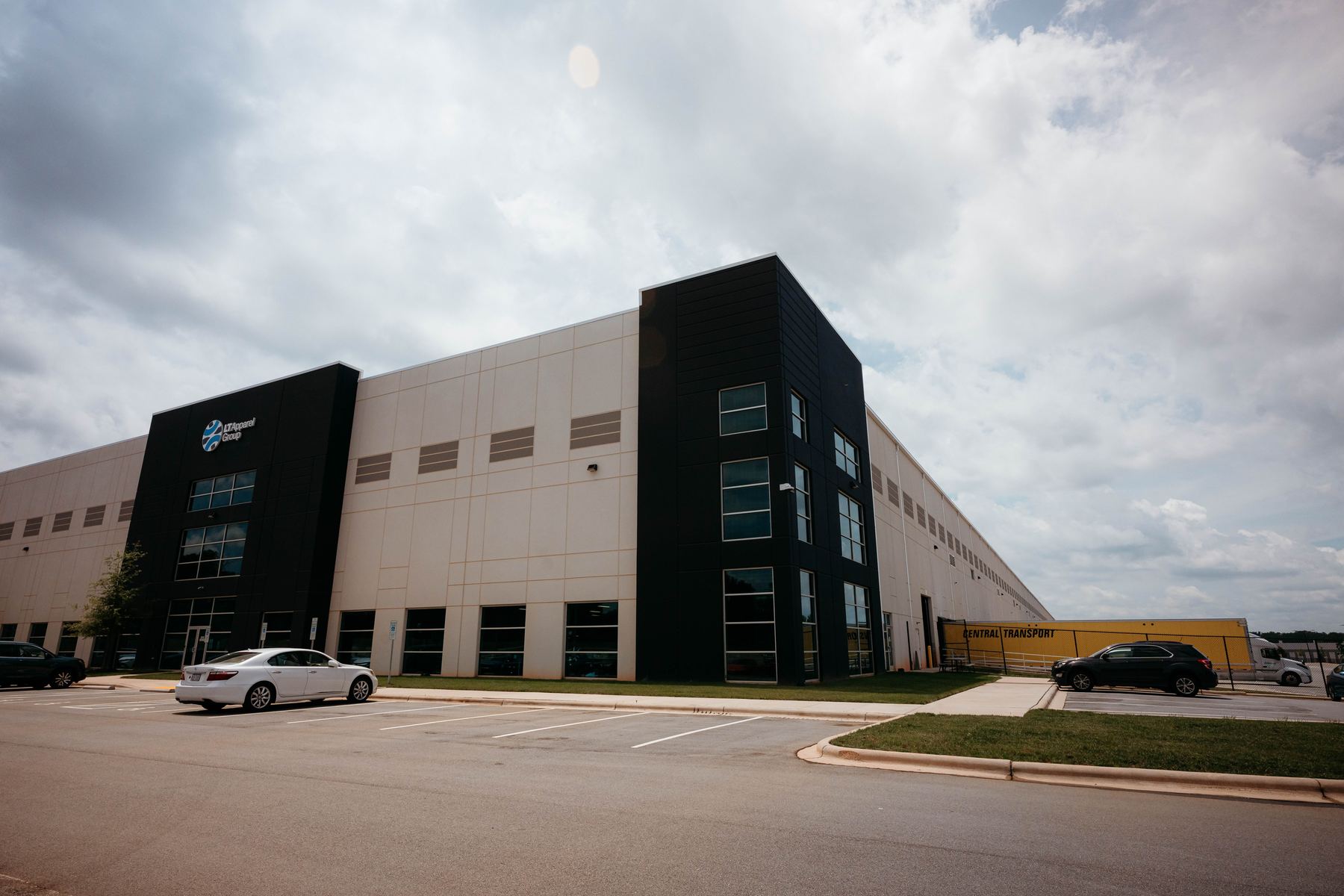
Show what already exists
You have more to show than you think, and it is the raw material for any recruiting video you make.
A sister plant. If your new site copies an existing one, film that floor. Fujifilm says it built Holly Springs as a near replica of its existing commercial scale site in Denmark. When a new plant is a copy, the original is the closest thing a candidate has to a preview. Label it clearly. A candidate who finds out later that the footage came from somewhere else stops believing the rest.
The leaders. The plant manager and the people who will run each department, saying why they took the job. They are the people candidates will report to, and most of them are already hired.
The first hires in training. Classes at the community college, time at a sister site, the first people learning the equipment. For JetZero, the state community college system agreed to build a customized NCEdge training program, with Guilford Technical Community College as a central local partner, sized to match the hiring ramp. Training like that is real footage of the real job.
The site as it goes up. Film it every few months. In our work with home builders, before, during and after footage makes the strongest project stories, and the crew keeps working while we film. A plant under construction is the same story at a bigger scale.
The town. Where people would live, the commute, what is nearby. An engineer who has to relocate is choosing a place, not just a job.
We go where the footage is. We have filmed as far as Asheville, Connecticut, Cleveland, Atlanta and Dayton, New Jersey, so a sister plant out of state is part of the job.
Be honest about the startup
A new plant is a hard place to start. Schedules shift. Training may happen out of town. The job you were hired for can change as the lines come up, and there may be a year of hard hats and dust.
Say so. We covered the research in our post on the realistic job preview, and a startup needs that honesty more than most jobs do.
Some people want exactly that. A chance to be there from the first shift and build something. Say it plainly and those are the people who apply.
Turn hiring events into shoot days
Every new plant runs information sessions and hiring events. Each one is a room full of the exact people you are trying to reach, asking the questions the next candidate will have.
We did a version of this for Ethos Digital Lounge in Greensboro. The business was already open, so we held a grand opening anyway and treated it as a shoot day. More than fifteen guests sat down for short interviews on their first visit, and we delivered 28 videos from one night, three more than promised.
A hiring event works the same way. The plant manager answering questions, the first hires saying why they signed, a trainer explaining the first month. Each one becomes a short clip for the next posting.
One honest limit. Video will not replace the visit. Once there is a building, walk candidates through it. And no footage will hide a pay rate or a schedule people do not want.
The short version
- New plants hire before there is anything to show, so candidates are betting on a rendering.
- Film what already exists: a sister plant, the leaders, the first hires in training and the site as it goes up.
- Label the footage honestly and say what is hard about a startup.
- Turn hiring events into shoot days.
- Walk candidates through the building as soon as there is one.