
The call usually comes on an ordinary weekday. Your biggest customer is delaying a program, dropping a part number, or moving the work somewhere else.
By the next morning, somebody on the dock has heard a version of it from a driver.
North Carolina suppliers have watched big plans change fast. VinFast announced its Chatham County plant in March 2022 with 7,500 jobs and production planned by mid 2024. In May 2026 the state sued to buy back the land. VinFast has asked a judge to dismiss the suit, says it still intends to build, and does not plan to start construction until 2028. Natron Energy's $1.4 billion battery plant in Edgecombe County, with 1,062 jobs pledged, ended when the company shut down in September 2025.
If you were lining up work for either project, you know how fast a plan on paper becomes a rumor on the floor. The same thing happens when an existing customer cuts an order. What you say in the first week decides a lot about who is still there when the work comes back.
Talk to the plant the same day
Your people will find out. The only question is whether they hear it from you.
Tell supervisors first, even an hour first, so they are not learning it alongside the people they manage. Then tell every shift the same day. The Bureau of Labor Statistics found that 15.3 percent of manufacturing wage and salary workers in 2024 and 2025 usually worked something other than a regular daytime schedule. Those are the people who tend to get the news secondhand, from whoever was in the morning meeting.
Stand on the floor to do it, not in an email.
What to say
What happened. As much as you are allowed to say about the customer and the program, in numbers people can picture.
What it means for hours. For most people this is the only question. Overtime, short weeks, shift changes. Answer it first.
What you are doing about it. Who you are calling, what you are quoting, and what you will cut before you cut people.
What you do not know yet. If you cannot promise there will be no layoffs, do not promise it.
When they will hear from you next. A date, not a vague soon.
Leaders tend to explain a lost customer in the words they use with the bank. Volume, mix, margin. Under all of it, the floor is asking one thing. Am I working Saturday or not?
If it leads to cuts, there are rules. The federal WARN Act generally requires employers with 100 or more employees to give at least 60 calendar days written notice of a plant closing or mass layoff affecting 50 or more people at one site. Notice also goes to the local chief elected official and the state dislocated worker unit. The thresholds have details, so call your employment attorney the day the news comes in.
Why the second update matters more than the first
One announcement does not settle anything. People go home, talk it over, and come back with new questions.
In a 1991 field experiment published in the Academy of Management Journal, David Schweiger and Angelo DeNisi followed employees through a merger. One group got a realistic preview: specific information about how the merger would affect them, as soon as that information existed. A comparison group got only a letter from the CEO. The first group reported less uncertainty, and their attitudes steadied once the program started. In the comparison group, the damage to attitudes kept growing.
A lost customer is not a merger, but uncertainty works the same way. Keep the updates coming on a schedule, even when the update is that nothing has changed.
Where video fits, and where it does not
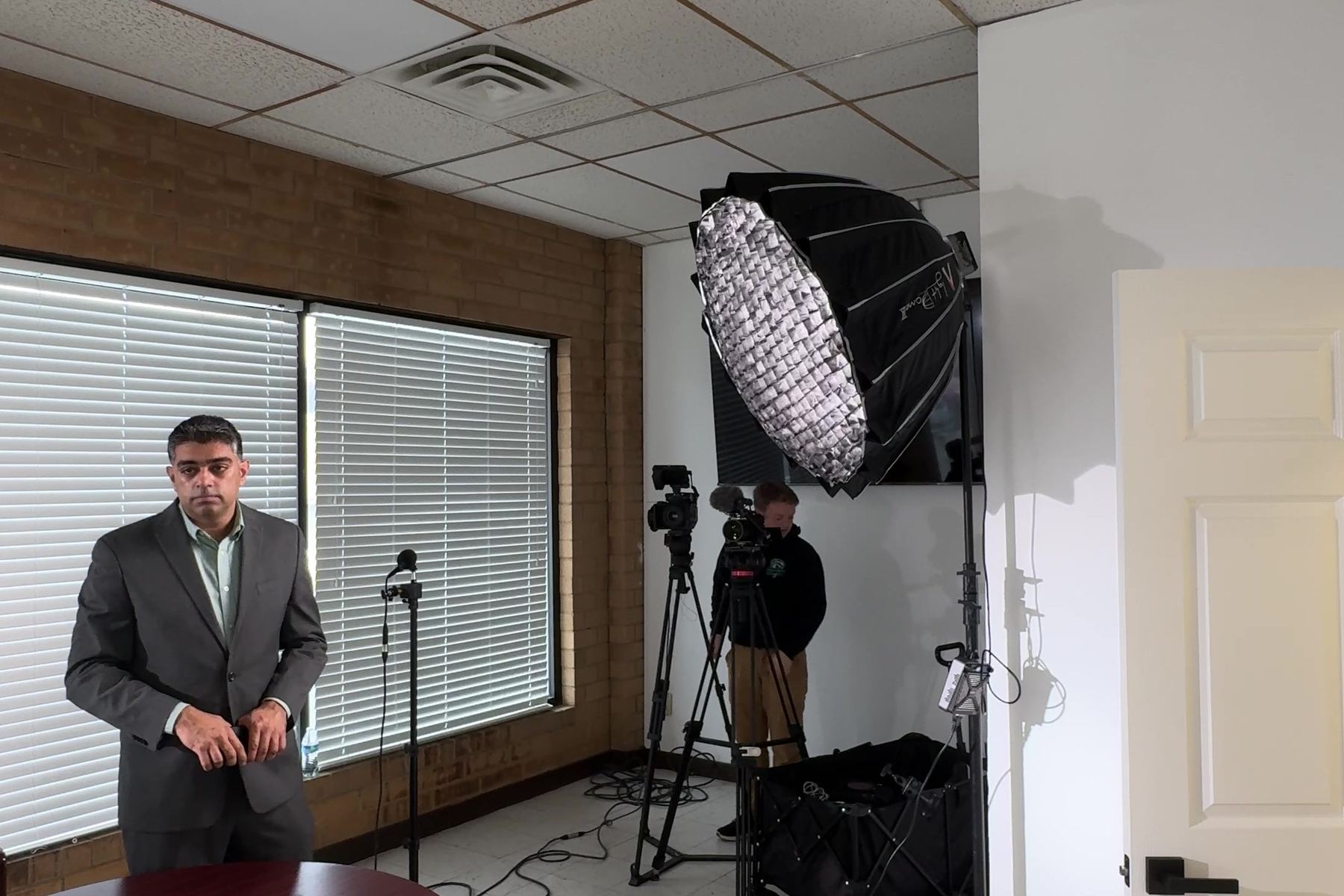
The first conversation is you, in person. Do not wait for a crew. If you want a recording for the shift you cannot reach, shoot it on a phone that afternoon. Honest beats polished here.
Where a recorded message earns its keep is the updates. Every time you repeat yourself from shift to shift, the message drifts a little. One recording gives everyone the same words.
Aspen Irrigation's owner used to spend twenty minutes on the phone with every new lead, explaining who he was before any work got scheduled. We filmed a two minute founder story, and now he sends the link. A plant manager giving the same update to three shifts is in the same spot.
Then go replace the work
The customers you still have are your best evidence. After every project, we ask clients the same question: what changed for you? Ask your best customers that on camera and you have a case study video a prospect can watch before the first call.
That is how JD Paint Pros, a Greensboro painting company, kept commercial work coming. We filmed the client who hired them to paint a 50,000 square foot former machine shop in Colfax, explaining why he chose them over several other quotes. The owner, Carlos, now sends that video to nearly everyone who reaches out.
Video will not replace a customer. It can help the next one trust you sooner.
The short version
- Tell supervisors first, then every shift, the same day, in person.
- Answer the hours question first, and do not promise what you cannot keep.
- If cuts are possible, check the WARN Act with your attorney right away.
- Keep updating on a schedule, even when nothing has changed.
- Use video for the updates and for winning new work, not for the first announcement.