
Before a buyer ever calls, they have already decided whether you are on the list.
In a 2019 Thomas survey of 266 industrial buyers, 71 percent said they vet fewer than five suppliers before deciding. When they evaluate those suppliers, 73 percent said they pay close attention to the company's website. That beat market presence at 68 percent and brand strength and reputation at 61 percent.
Newer research says the same thing. In TREW Marketing and GlobalSpec's 2025 survey of over one thousand engineers and technical buyers, a strong website was almost twice as likely as a prominent trade show sponsorship to be seen as a sign of a company's credibility.
So the question is not whether the website matters. It is what a buyer is looking for when they land on yours.
Say what you make in one sentence
The home page should answer three questions before anyone scrolls. What do you make. Who is it for. And what are your limits, meaning the biggest, smallest or tightest thing you can do.
Quality, service and on time delivery answers none of them. Every competitor says it, so buyers skip right past it.
Compare that with a made up line like this one: CNC machined aluminum and stainless parts up to 40 inches, in runs of 50 to 5,000, for food equipment makers. A buyer reading something like that knows in five seconds whether to keep going.
The specifics buyers check
What you make, with numbers. Materials, tolerances, part sizes, run sizes, typical lead times. If your quote form asks for it, your site should answer it.
The equipment list. Make, model, bed size, number of axes. An engineer uses it to decide whether you can make the part before they ever ask.
Certifications, with proof. ISO 9001, AS9100, IATF 16949, whatever you hold. Post the certificate with its expiration date, not just the logo.
Real parts and real projects. With the customer's permission. A photo of a part you made does more than a paragraph about precision.
A way to send a drawing. An RFQ form that accepts files, says who reads it, and says when they will hear back.
A person. A name and a face for whoever answers. Industrial buying still runs on relationships, and the site is where the first one starts.
Show what the buyer cannot see
Some of what makes you good never shows up in a spec.
Shield Security Doors builds residential security doors in High Point. Three product lines, three levels of protection, all made to look like a normal front door. From the street, all three look identical, so the protection a buyer pays for is the one thing they cannot see.
So Shield brought in local Triad SWAT teams to try to breach three of their doors, and we filmed the day. The highlight video now lives on their site.
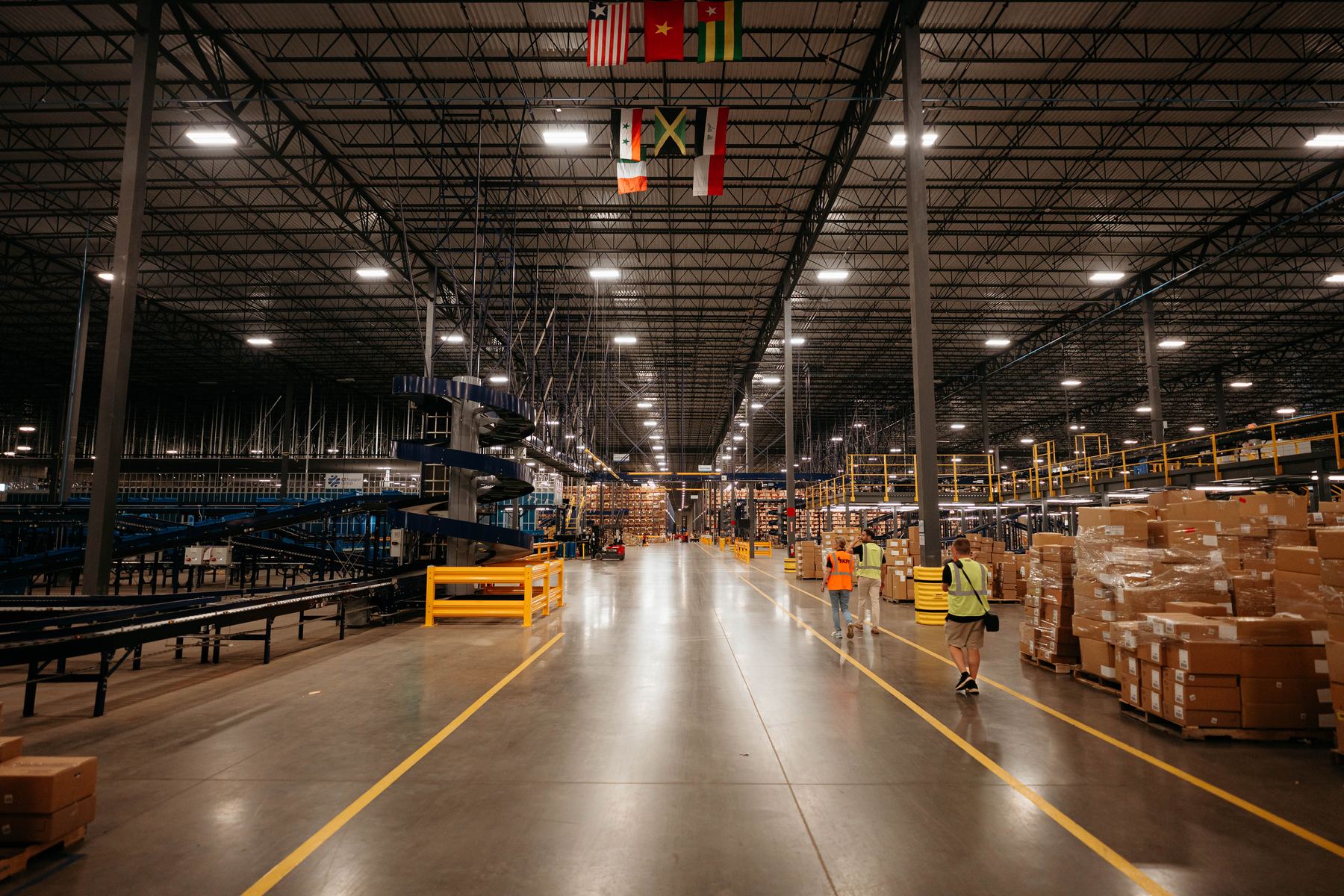
For most manufacturers, the hidden part is the floor. The setups, the checks, the people who catch a bad part before it ships. A short plant tour on the capabilities page shows what a list of machines cannot.
Put it where engineers already watch, too. In the TREW survey, 70 percent of technical buyers said they frequently watch work video directly on YouTube.
Where video does not help
A video does not replace a datasheet. If an engineer came for a tolerance and found a film instead, you just made them work harder.
A video with no job does not help either. Back when we sold commercials, we made a client something beautiful. It sat on their website, unused. When we filmed again around what the business actually needed, those videos helped close three deals within two months.
Specs first. Then the footage that backs them up, right next to them.
The short version
- Buyers vet a short list, and the website decides who makes it.
- Say what you make, who it is for and what your limits are, before anyone scrolls.
- Post numbers, equipment, dated certificates, real parts, a drawing upload and a person.
- Use video to show what a spec cannot: the floor, the checks and the people.
- Never let a video stand in for the datasheet.